- Top Tier Firm 2026
- Legal 500 EMEA


Why choose Hungary?
“It is not enough to be Hungarian; you must have talent as well.”
– Alexander Korda

Establishing a Business Entity
“It is the future for which we must always work, not immediate
pocketable momentary success.”
– Zsigmond Móricz (writer)

Operating a Business Entity
“With a little skill we could build steps from the rocks that roll
across our paths.”
– István Széchenyi

Other Issues in Business Life
“A business is successful to the extent that it provides a product or
service that contributes to happiness in all of its forms.”
– Mihály Csikszentmihályi
Why choose Hungary?
An Overview of Hungary
| Indicator | Key information |
| Location | Central Europe |
| Area | 93,025 km² (35,917 sq mi) |
| Population | 9.49 million (1 January 2026) |
| Life expectancy at birth | 77.1 years (2025) |
| Official language | Hungarian |
| Religion | 2022 Census, voluntary question with a 60% response rate: among respondents, 46% were Roman Catholic, approximately 3% Greek Catholic, 16% Reformed, approximately 3% Lutheran and 27% non-religious. |
| Capital | Budapest (approximately 1.68 million inhabitants as at 1 January 2026) |
| Government | Parliamentary republic |
| President of the Republic | András Baka (from 19 August 2026) |
| Prime Minister | Péter Magyar (since 9 May 2026) |
| EU membership | Member of the European Union since 1 May 2004 |
| Schengen Area | Member since 21 December 2007 |
| Currency | Hungarian forint (HUF; local abbreviation: Ft) |
| Exchange rate regime | Free-floating, with the euro as the reference currency |
| GDP | EUR 218.8 billion (2025, current prices) |
| GDP per capita – nominal | Approximately EUR 23,000 (2025, current prices)¹ |
| Real GDP growth | 0.4% in 2025; forecast: 2.0% in 2026, 3.0% in 2027 and 2.9% in 2028 |
| Inflation – annual average | 4.4% in 2025; forecast: 1.8% in 2026, 2.3% in 2027 and 3.0% in 2028 |
| Corporate income tax | 9% standard rate |
| Time zone | Central European Time (CET, UTC+1); Central European Summer Time (CEST, UTC+2) from the last Sunday in March to the last Sunday in October |
| Public holidays | 1 January; 15 March; Good Friday; Easter Monday; 1 May; Whit Monday; 20 August; 23 October; 1 November; 25-26 December |
| Climate | Temperate continental, with Atlantic and Mediterranean influences |


Geography
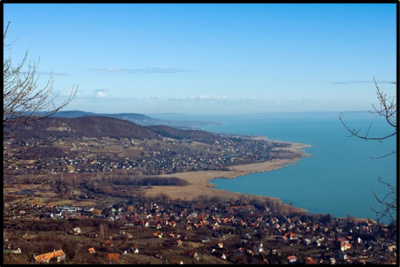
Hungary is located in Central Europe bordered by seven neighbouring countries and easily accessible from Western Europe. Most of Hungary’s landscape is made up of plains and low mountains. The two largest rivers, the Danube and the Tisza, are important navigable waterways. Lake Balaton, the largest lake in Central Europe, is located in Hungary. Lake Balaton is a popular holiday destination for both Hungarian residents and foreign tourists.
Budapest, Hungary’s capital and largest city, is elegantly divided by the Danube River. Buda, on the western bank, is the city’s picturesque, hilly and more residential quarter, while Pest, on the eastern bank, offers a vibrant, cosmopolitan atmosphere as the lively commercial heart of the city, renowned for its beautiful Art Nouveau architecture.Hungary lies at the intersection of three climate zones. As a result, it has a continental climate influenced by oceanic conditions from the west, subarctic air from the north and Mediterranean warmth from the south. Summers are typically sunny and warm, with average temperatures ranging from 25 to 30 °C. For a few weeks, daytime highs may even climb to 35–38 °C. Winters are cold and the general temperature is between -10–0 °C. Springs and autumns are often short and typically wet.



A Brief History of Hungary
Hungary, situated in the heart of Central Europe, has a rich and diverse history, making it one of the most fascinating countries in Europe. With its roots going back to the early Middle Ages, Hungary has played a key role in the cultural, political, and economic development of the region.
The first significant event in Hungary’s history was in 896 when the Hungarian tribes, led by Árpád, settled in the Carpathian Basin. This marked the establishment of the Hungarian Kingdom, which later evolved into a powerful and influential state under the leadership of King Saint Stephen in 1000 AD. Saint Stephen, Hungary’s first Christian king, is credited with consolidating the kingdom and converting it into a Christian state. This era marked the beginning of Hungary’s long association with the Catholic Church, which would influence its culture and politics for centuries.
Hungary’s medieval history was marked by both significant territorial expansion and contraction. During the 14th and 15th centuries, Hungary was a flourishing kingdom under the reign of King Louis the Great and later King Matthias Corvinus. These rulers were instrumental in expanding the borders and enhancing the country’s cultural and scientific life. The reign of Matthias Corvinus, in particular, is considered a golden age of Hungarian culture, with the establishment of the Bibliotheca Corviniana, one of the largest libraries in Europe at the time. It was also during this medieval period that the historical roots of today’s Visegrád cooperation (contemporary Visegrád Cooperation—also known as the Visegrád Countries, Visegrád Four, or V4) can be traced back.
However, Hungary’s history took a dramatic turn in the 16th century. In 1526, the Hungarians were defeated at the Battle of Mohács by the Ottoman Turks, leading to the fragmentation of the Hungarian Kingdom. The country was divided into three parts: the Habsburg-ruled western and northern regions, the Ottoman-controlled central part, and the principality of Transylvania. This period of division lasted for more than 150 years, with Hungary suffering under foreign domination and internal strife.
The 17th century saw the gradual reconquest of Hungary from the Ottomans by the Habsburgs, but the country continued to struggle to achieve independence and form an identity. The 18th century saw a reassertion of Hungarian culture and nationalism, particularly during the reign of Maria Theresa and Joseph II. These rulers initiated significant reforms but also faced resistance from the Hungarian nobility, who sought greater autonomy.
In the 19th century, Hungary became part of the Austro-Hungarian Empire, while the Hungarian Revolution of 1848 was a pivotal moment in the country’s quest for independence. Although the revolution was suppressed, it laid the groundwork for the eventual formation of a more independent Hungarian state. Following World War I and the dissolution of the Austro-Hungarian Empire, Hungary became a republic, only to be reshaped by the Treaty of Trianon in 1920, which drastically reduced its territory and left deep scars on the national psyche.
The 20th century was a tumultuous period for Hungary. After a brief period of independence following World War I, Hungary found itself in the grip of first Nazi and then Soviet influence. The country was occupied by the Germans during World War II and, after the war, became a Soviet satellite state. The Revolution of ’56 in Hungary was crushed by Soviet military intervention, but this struggle for freedom was not forgotten.
In 1989, after the fall of communism, Hungary peacefully transitioned into a multi-party democracy. Since then, the country has undergone significant economic and political reforms. Hungary became a member of NATO in 1999 and joined the European Union in 2004, marking its full reintegration into the European community.
Today, Hungary is a dynamic, modern nation, deeply rooted in its historical legacy but looking forward to the future. As the country continues to develop, it remains an attractive destination for foreign businesses and investors, benefiting from its central location, skilled workforce, and vibrant economy.
For international companies and individuals looking to establish a presence in Hungary, its rich historical background and strategic position in Europe make it an ideal place for business.



Economy
Current Economic Situation
Hungary’s economic growth remained subdued in 2025, with real GDP increasing by 0.5%. Economic activity strengthened in the first half of 2026, when GDP was 1.7% higher than in the corresponding period of 2025. Services made the largest contribution to growth, while industry also contributed positively and agriculture had a negative impact.
Hungary remains closely integrated into European manufacturing and supply chains, with the automotive and electronics industries among the country’s key investment sectors. The automotive sector is undergoing a significant transformation towards electromobility and higher value-added activities. Alongside the long-established manufacturing operations of Audi, Mercedes-Benz and Suzuki, BMW commenced series production at its Debrecen plant in October 2025. BYD has selected Szeged for its first European passenger-car manufacturing plant and Budapest for its European business headquarters and R&D activities. In 2025, HIPA supported 27 automotive investment projects with a combined investment value of approximately EUR 1.1 billion, expected to create around 3,600 new jobs.
The pharmaceutical and life sciences sector is another established high-value-added segment of the Hungarian economy, supported by a longstanding domestic research tradition and the presence of major Hungarian and international pharmaceutical companies. Business services, information technology and research and development have also become increasingly important elements of Hungary’s investment landscape.
Investment activity continued despite the relatively weak macroeconomic environment. In 2025, 108 investment projects were decided upon with the support of the Hungarian Investment Promotion Agency (“HIPA”), representing approximately EUR 7.1 billion of investment and 18,227 new jobs. The composition of these projects also points to a growing emphasis on higher value-added activities: 14 R&D projects with a combined investment value of nearly EUR 570 million were announced, while 13 new business services centre projects are expected to create 3,236 jobs.
Tourism also continued to expand. Hungary’s tourist accommodation establishments recorded 47.2 million guest nights in 2025, 5.1% more than in the previous year. Growth was driven primarily by international visitors.
Sources: Hungarian Central Statistical Office (KSH); Hungarian Investment Promotion Agency (HIPA).
Economic Outlook for 2026-2028
The outlook for the Hungarian economy is one of gradual recovery following the weak growth recorded in 2025. According to the Magyar Nemzeti Bank’s (“MNB”) June 2026 baseline forecast, GDP is expected to grow by 2.0% in 2026, 3.0% in 2027 and 2.9% in 2028. Household consumption is expected to remain an important driver of growth in 2026, while the availability of EU funds may gradually support investment. At the same time, slower growth in Hungary’s main export markets may continue to limit external demand.
Inflation has moderated significantly. Consumer prices increased by an average of 4.4% in 2025, while the MNB’s June 2026 forecast expects annual average inflation of 1.8% in 2026, 2.3% in 2027 and 3.0% in 2028.
Macroeconomic forecasts nevertheless differ across institutions. The European Commission’s Spring 2026 forecast projects GDP growth of 1.8% in 2026 and 2.1% in 2027, while the OECD’s July 2026 Economic Survey projects growth of 1.9% and 2.2%, respectively. Both are therefore somewhat more cautious than the MNB’s baseline forecast. The outlook remains sensitive in particular to developments in Hungary’s main European export markets, geopolitical and energy-market conditions and the evolution of public finances.
Table 1. Hungarian Economic Outlook
| Indicator | 2025 actual | 2026 forecast | 2027 forecast | 2028 forecast |
| Real GDP growth (%) | 0.5 | 2.0 | 3.0 | 2.9 |
| Consumer price inflation, annual average (%) | 4.4 | 1.8 | 2.3 | 3.0 |
Source: Hungarian Central Statistical Office (2025 actual inflation); Magyar Nemzeti Bank, June 2026 Inflation Report (GDP growth and 2026-2028 forecasts).
The labour market has remained relatively stable: the unemployment rate stood at 4.4% in June 2026. At the end of 2025, general government debt amounted to 74.6% of GDP.
Sources: KSH; MNB; European Commission; OECD.



Political Environment
Following the democratic transition of 1989-1990, Hungary established a parliamentary democratic system. The country’s current constitutional framework is set out in the Fundamental Law, which entered into force on 1 January 2012. On the same date, the official name of the country changed from the Republic of Hungary to Hungary, while its form of state remained a republic.
Hungary has a unicameral Parliament consisting of 199 Members of Parliament elected for four-year terms. The Parliament elects the Prime Minister upon the proposal of the President of the Republic. The President is elected by Parliament for a five-year term and, as Head of State, performs primarily representative and constitutional functions. Government ministers are appointed by the President upon the proposal of the Prime Minister.
Hungary held parliamentary elections on 12 April 2026. The TISZA party obtained 141 of the 199 parliamentary seats, representing more than two-thirds of the seats in Parliament. On 9 May 2026, the new Parliament elected Peter Magyar as Prime Minister. Tamas Sulyok remains the President of the Republic.
Hungary had operated under a special legal order in connection with the armed conflict and humanitarian situation in Ukraine. The state of danger declared under Government Decree 424/2022 was in force from 1 November 2022 and expired on 14 May 2026. During the special legal order, the Government was authorised, within the constitutional framework applicable to a state of danger, to adopt emergency decrees and to derogate from certain statutory provisions. Before the expiry of the state of danger, a number of rules originally introduced by emergency decree were incorporated into ordinary legislation. Accordingly, the special legal order referred to in earlier editions of this guide is no longer in force, although certain rules originating from that period continue to apply as part of the ordinary legal framework.
Sources: National Election Office; Government of Hungary; Sandor Palace; National Legislation Database.
The Hungarian Judicial System
As in most countries, courts are authorised to settle civil, administrative, labour and criminal cases. Hungary has a four-level judicial system with the Curia (in Hungarian: Kúria, the Supreme Court) as the most authoritative.
District courts (“Járásbíróságok”)
District courts constitute the courts of first instance that mostly settle less severe civil and criminal law cases. Litigating parties may appeal against the judgments of any court, from the district to the regional court.
There are 113 district courts in Hungary (including the six district courts of Budapest).
Regional courts (“Törvényszékek”)
Regional courts are part of the second level of the judicial system and play a double role.
On one hand, regional courts are courts of second instance for appeals against the judgments of district courts. In this case, the judgment of the regional court (acting as the court of second instance) is final and binding with no possibility of appeal.
On the other hand, regional courts also constitute the general courts of first instance of the judicial system for the more severe civil and criminal law cases, and specific cases including intellectual property litigation. In this case, litigating parties may appeal against the decision of the regional courts (acting as the court of first instance) to the regional courts of appeal.
Regional courts also act as the competent court in public administration and labour law matters in the first instance (until 31 March 2020, specialized courts dealt with these matters). Appeals against the administrative decisions of the regional courts may be submitted to the Curia, while appeals against labour law decisions may be submitted to the regional courts of appeal.
Regional courts have another important role – courts of registration operate at all of them. Their role is to register and supervise the operation of legal entities, e.g. companies, foundations, societies, etc. Companies are registered and deregistered (concluded) by these courts along with any changes to a company’s corporate data.
There are 20 regional courts in Hungary – one in each of the 19 counties and the Metropolitan Court serving Budapest.
Courts of Appeal (“Ítélőtáblák”)
The regional courts of appeal (founded in 2003 to reduce the workload of the Supreme Court) constitute the third level of the judicial system and act exclusively as
the court of second instance in civil and criminal matters for decisions handed down in a regional court acting as the court of first instance. The decisions of the regional courts of appeal are always final and binding and not subject to an ordinary appeal.
There are five regional courts of appeal in Hungary.
Curia, the Supreme Court (“Kúria”)
The Curia sits atop the Hungarian judicial system. It has a double role. On one hand, it is the competent court if an extraordinary challenge is lodged against the final decision of a court of second instance (a regional court or a regional court of appeal) in civil cases. In criminal cases, the Curia has a third instance role. In these cases, the Curia may overrule a lower court’s decision and may also command the lower court to restart proceedings. There is no appeal against the rulings of the Curia.
On the other hand, the Curia is responsible for the coherence of Hungarian court practice. It monitors the work of the lower courts and may issue binding decisions on certain legal questions that frequently come up in legal matters before the courts.
Court of Justice of the European Union (“Európai Unió Bírósága”)
TheCourt of Justice of the European Union (“CJEU”) is not part of the Hungarian judicial system in the traditional sense but it plays an important role and has an impact on the practice of the Hungarian courts. As a consequence of Hungary’s EU membership, Hungarian law is subordinated to EU legislation in many aspects. If an EU legal principle is to be interpreted in a case before a Hungarian court, the court may (and the Curia, the highest court, must) turn to the CJEU for an authentic and binding interpretation, often called a “preliminary ruling”. However, the CJEU will only give an interpretation of the specific legal principle as it has no authority to rule upon specific court cases.
This mechanism ensures the coherence of court practice both at national (Hungarian) and European levels.
Constitutional Court (“Alkotmánybíróság”)
The Constitutional Court is the supreme body for the protection of the Fundamental Law. Its primary role is to safeguard the democratic rule of law, the constitutional order, and the rights guaranteed by the Fundamental Law, as well as to preserve the internal coherence of the legal system and uphold the principle of the separation of powers.
The Fundamental Law sets out the core rules governing the mandate and purpose of the Constitutional Court, while the Act on the Constitutional Court (“Abtv.”) defines the main organisational and procedural framework. Detailed procedural rules are laid down in the Constitutional Court’s Rules of Procedure.An individual constitutional complaint, regulated by the Fundamental Law, the Abtv. and the Rules of Procedure, may be submitted in three forms: a complaint challenging an allegedly unconstitutional judicial decision; a complaint concerning the application of an unconstitutional legal provision in a court case; or a complaint against a legal provision that has caused the direct violation of the petitioner’s fundamental rights without a prior judicial decision. The constitutional complaint therefore is not a claim for judicial review and the Constitutional Court is not a forum for legal remedy in a concrete case, but deals with alleged conflicts with the Fundamental Law.
Other entities in the Hungarian Justice System
Apart from the ordinary courts, notaries and arbitration courts may also proceed in civil cases.
Instead of filing a lawsuit, an order for a payment procedure may be requested at any notary public for civil claims up to HUF 3 million.
Parties may agree to turn to arbitration courts. The Hungarian Chamber of Commerce and Industry operates a permanent arbitration court whose jurisdiction is often set out in commercial contracts.
In both cases, decisions can be challenged before ordinary courts, although the arbitration award can be challenged only on a very narrow basis.

EU Membership and the Schengen Agreement
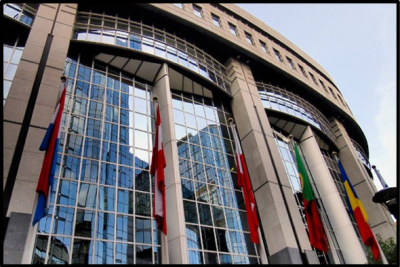
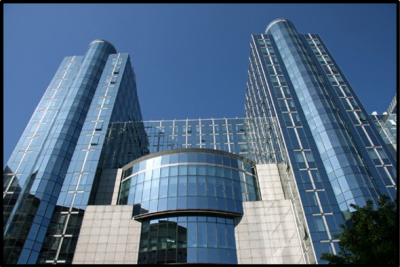
The relationship between Hungary and the European Union dates back to 1988, when Hungary was the first Central Eastern European country to establish diplomatic relations with the European Community. The Accession Treaty was concluded in 2003 in Athens and Hungary joined the EU on 1 May 2004. In January 2011, Hungary took over the EU presidency for half a year for the first time since the country joined the EU in 2004. Hungary last held the presidency in 2024.
In 1985, the dismantling of internal border controls started with the conclusion of the Schengen Agreement across the EU. As an EU member state, Hungary joined the Schengen Agreement on 21 December 2007, taking full responsibility for controlling EU borders. The Schengen Area now encompasses 29 countries as Bulgaria and Romania were admitted in 2025.
The significance of joining the Schengen Agreement is that, on one hand, Schengen countries do not carry out border checks along their internal borders; on the other hand, they have established controls with clearly defined criteria along their external borders. Furthermore, Schengen countries have set up a common visa policy for short stays (90 days in any 180-day period) that is applied through “Schengen visas”. When someone enters a country in the Schengen area, the 180-day period starts. They can enter Schengen area countries as many times as they want, but only stay for a total of 90 days within a 180-day period. Citizens of some non-EU countries are required to hold a visa to travel to the Schengen Area. A short-stay visa issued by one Schengen country entitles a holder to travel throughout the whole Schengen Area for up to 90 days within a 180-day period. However, visas for visits exceeding these 90 days remain subject to national procedures.
From the last quarter of 2026, citizens of other non-EU, visa-exempt countries (e.g. the UK, the USA, Canada and Australia) will be required to fill out the ETIAS online application form before travelling to the Schengen area. They will be able to enter the Schengen area when they have been notified about the ETIAS approval via e-mail. The success rate of the ETIAS application is expected to be more than 95%. More information about ETIAS can be found here: https://www.etias.info/ application/.
The effects of Brexit
The United Kingdom left the EU on 31 January 2020 after 47 years of EU membership. The transition period between the EU and the UK ended on 31 December 2020. Since 1 January 2021, several changes have been executed regarding the relationship between EU counties and the UK. From that date, EU citizens may not travel freely to the UK. The British government’s visa system has been introduced for EU citizens arriving in the UK, including for Hungarian citizens, except for visa-free entry for up to six months (e.g. tourism). As of 2 April 2025, the UK Government requires EU citizens to obtain an Electronic Travel Authorisation (ETA) for visa-free stays of less than six months, including tourism, transit, family visits, business meetings, conferences, and short-term study not exceeding six months.
Community Law or the EU’s legal system in the context of Hungary
Hungary has been a member of the European Union since 2004. EU membership means that the country participates fully in the EU’s single market, where goods, services, capital and persons can move freely. European Union membership brings countless benefits to member states and to businesses and individuals located in the Member States. Perhaps one of the greatest benefits is the ability to operate within the EU’s internal market, where people, services, goods, and capital flow freely. This relieves Member State businesses of an extraordinary administrative burden and creates a safety net of legal certainty between participating states that is conducive to long- and short-term business models.
In legal terms, being part of the EU legal system means that Member State regulations in areas affecting the single market, which is free of customs duties and similar charges, are harmonized at Member State level. This level of legal certainty is particularly advantageous in sectors governed by common EU rules, such as consumer protection, competition law, data protection (GDPR), product standards and financial services.
In practice, Hungary’s EU membership simplifies business operations in several ways:
- the internal market offers access to 450 million consumers without customs barriers;
- common harmonized laws create legal certainty and make it easier to move from one member state to another;
- common legal standards that lower compliance costs;
- the principle of mutual recognition applies throughout the internal market, which means that goods lawfully marketed in one Member State can be sold in another Member State without further requirements;
- clear and transparent consumer protection and competition rules harmonized across Member States;
- freedom of establishment and freedom to provide services, allowing companies to set up subsidiaries or provide services throughout the EU with minimal barriers.
| Note • Schengen cooperation enhances the free movement of persons by enabling citizens to cross internal borders of the Schengen Area without being subjected to border checks. |
Useful information about Hungary
Based on the rules of Hungarian orthography, the date structure is as follows: year/ month/day, e.g. 2020/12/31. As far as written numbers are concerned, Hungarians use a comma as the decimal separator, e.g. 3,14 and a full stop (period) as the thousand separators, e.g. 1.234.567.
In Hungary, quantity, volume or size must be expressed using the metric system, e.g. kilograms, liters, m2, m3, etc.
In the Hungarian language, family names are followed by first names, e.g. Doe John. Usually, business cards are presented in this manner unless they are prepared in English.
Hungary is situated in the Central European Time Zone (CET). Hungary uses the practice of daylight savings time, changing clocks by one hour on the last weekends of March and October.
Hungary’s favorable location makes it a popular destination for foreign investors.
Distances between Budapest and some major European cities:
- Vienna, Austria: 210 km
- Zagreb, Croatia: 350 km
- Prague, Czech Republic: 440 km
- Berlin, Germany: 690 km
- Brussels, Belgium: 1130 km
- Paris, France: 1250 km
- London, United Kingdom: 1450 km
Useful Information about Business Practices
Following the democratic transition, greater emphasis was placed on individual initiative. Hungarian business professionals quickly adopted Western business styles and practices, becoming increasingly success oriented. Today, young professionals are generally expected to be well-educated, diligent, and capable of working independently.
Respect and formality are key values in Hungarian business culture. In business relations, Hungarians do not call their partners by their first names until they are invited to do so, but not by surname either; in such cases, the terms “sir” or “madam” are generally used.
Relationships play an important role in business everywhere, and the Hungarian business environment is no exception. Building a broad professional network is considered valuable, and personal interaction is often preferred during negotiations. As business tends to be relationship-oriented, it can be beneficial to invest time in getting to know the Hungarian counterparties and establishing mutual trust before entering into substantive negotiations. Hungarians are quite cautious in business negotiations. They prefer to pay attention to and review all the details and aspects of the deal; therefore, the negotiation procedure may be time-consuming. Meeting deadlines is a crucial requirement in Hungarian business culture. Hungarians are expected to work overtime to keep deadlines and they expect the same attitude from their counterparts. During negotiations, Hungarians are not reluctant to interrupt or argue if they feel it is necessary to arrive at the best solution. Such behaviour is normal in Hungarian business life and should not be taken personally. When drafting contracts, Hungarians prefer precise and clear wording.
Business Etiquette
- Punctuality is highly valued in Hungarian business culture.. Hungarians generally arrive on time or even a little early for meetings and they expect the same punctuality from their business partners as well. If you are running late, always make sure to inform your Hungarian counterpart about your delay in time. Last-minute cancellations should be avoided, as they may be perceived as a sign of disrespect. Avoid scheduling meetings in July and August, as these months coincide with the main summer vacation period in Hungary, and also refrain from organising meetings during major religious holidays such as Easter and Christmas. The business dress code tends to be relatively conservative in Hungary. At meetings, men typically wear a dark suit with a tie, women generally opt for a business casual look as well. When meeting a Hungarian partner, choosing a neat and professional appearance is generally advisable, in line with international business standards. The parties greet each other with a The rules for shaking hands follow general Western conventions: women typically offer their hand to men, and older individuals to those who are younger, the senior to the junior. It is useful to take plenty of business cards for the first meeting and present them to all the participants of the meeting.
- Long business lunches and dinners and other social programs are often play an important role in the negotiation process. Accepting dinner or cultural invitations is generally recommended, as such occasions provide an informal setting to strengthen rapport and gain a better understanding of your Hungarian business partners.
- It is not expected, but Hungarians do appreciate it if a foreign counterpart is familiar with Hungarian history and culture. You may impress your Hungarian partner by initiating a short conversation about Hungarian wines (e.g. Villányi, Tokaji), composers (e.g. Liszt, Bartók) or scientists (e.g. Albert Szent-Györgyi) or writers (e.g. László Krasznahorkai, who won the Nobel Prize in Literature in 2025)
- Avoid clinking beer glasses when making a toast. After the suppression of the 1848–49 Hungarian Revolution and War of Independence, the Habsburgs were said to have celebrated their victory by clinking beer glasses. Although the traditional ban on this gesture formally expired 150 years later, in 1999, the cultural custom remains sensitive and is still avoided by many Hungarians.
Useful Links
For your ease of reference, please find below some English websites providing further useful information about Hungary.
The Hungarian Central Statistical Office
The National Tax and Customs Administration
Establishing a Business Entity
How to Invest?
In this chapter, we present the most important factors to consider when deciding on the form of your investment. The table on page 32 summarises some of the advantages and disadvantages of the relevant company types to help you decide which company type best suits your needs.
Setting up a business
Guidelines to Decide on the Form of the Investment
There are several factors to consider when determining the most suitable form of the investment through which you aim to reach your business goals. It is also of utmost importance for an investor to always think ahead and choose a company structure that can support your future plans. Below, we outline the key aspects of this decision that need to be considered when choosing the form of an investment. You will find more specific descriptions (and, also, ways that VJT & Partners can assist you) in the chapters throughout this publication.
- Owner’s (shareholder’s) liability
For an investor, an important question is the extent of the owner’s (shareholder) liability for the debts of its company. In general, if the owner is subject to limited liability, it will not be liable for the company’s unsettled obligations. However, if the owner’s liability is unlimited, it will be liable for the unfulfilled obligations of the company (for more information, see “Branch Office and Commercial Representative Office” and “Companies”).
- Executive officer’s (CEO’s) liability
The CEO is liable to the company for any damage caused during their term of office. In principle, the company is liable for its CEO’s acts towards third parties and the CEO is liable towards the company for the damage suffered by the company unless causing the damage was beyond the CEO’s control, it was not foreseeable and the CEO could not have been expected to avoid the respective circumstance or prevent the damage. If the company is dissolved without legal succession, the CEO may also be held liable to creditors for unpaid debts if the CEO failed to take creditors’ interests into account after the onset of a situation threatening insolvency, except in cases of voluntary liquidation. If the CEO intentionally caused the damage, the company or the CEO or both can be sued for compensation (the creditor can choose who to turn to for its claims) (for specific liability rules, see “Financing Matters”).
- Capital requirements
The amount of capital you wish to invest is a decisive factor regarding the type of company you choose. There are statutory minimum amounts or restrictions regarding the amount and type (i.e., cash or non-cash) of capital of companies to bear in mind when forming a company (for more information on this topic, see “Branch Office and Commercial Representative Office” and “Companies”).
- Foundation and operation costs, taxes
There are administrative publication fees regarding the foundation of certain types of companies (e.g. a company limited by shares, in Hungarian: zrt.), while the foundation of other types of companies (e.g., a limited liability company, in Hungarian: kft.) is free of charge in terms of administrative fees. The operation of the company also depends on a wide range of expenditures. Taxation generally does not depend on the actual type of the company; however, in certain cases the company form may be relevant , e.g., replacement tax schemes (for more information, see “Branch Office and Commercial Representative Office”, “Companies”; “Setting up an Office”, “Strictly Regulated Sectors” and “Taxation”).
- Foundation timelines
There are no big differences between the types of company regarding the time needed for establishment as far as registration processes are concerned. Of course, preparatory works for more complex structures may take more time. An administrative time-saving option (i.e., simplified registration) is available for most company types, at the expense of using standardised documentation and content (for more information, see “Branch Office and Commercial Representative Office” and “Companies”).
- Administrative duties (accounting and bookkeeping)
The burden of accounting, bookkeeping, payroll and similar duties depends more on the turnover and the number of employees in the company than on its legal form. In general, administrative requirements increase as the structure becomes more complex (for more information, see “Taxation”, “Accounting” and “Auditing”).
Below, you will see a few advantages and disadvantages of the Hungarian company forms:
| Form / type | Advantages | Disadvantages |
| Limited liability company (in Hungarian: kft.) | limited liability simplified registration available one owner suffices | the sale of ownership interest to a third person is restricted, unless the owners agree otherwise the equity must not fall to (or below) 50% of the registered capital or below the minimum registered capital |
| Private company limited by shares (in Hungarian: zrt.) | limited liability simplified registration available one owner suffices | costs and administrative burdens to issue and deal with shares more strict rules for corporate governance |
| Public company limited by shares (in Hungarian: nyrt.) | limited liability raising capital from the public | may only be transformed from a zrt. more administrative burdens relatively high registered capital requirement strict rules for trading with shares |
| General partnership (in Hungarian: kkt.) | simplified registration no minimum capital requirement | owners’ unlimited liability for unsettled obligations at least two owners required |
| Limited partnership (in Hungarian: bt.) | simplified registration no minimum capital requirement | at least two owners required and at least one must bear unlimited liability for unpaid obligations |
| Branch office | may build confidence among creditors as it is an organisational unit of the parent company (rather than a separate entity) no need for minimum capital | the parent company has joint, several and unlimited liability for the branch office’s obligations no simplified registration available |
| Representative office | may build confidence among creditors as it is an organisational unit of the parent company (rather than a separate entity) no need for minimum capital | unlimited direct liability for the representative office’s obligations no simplified registration available |
| Sole proprietorship | not a statutory requirement to engage a lawyer to establish no need for minimum capital | unlimited liability for unpaid obligations |
Investing in an operating business
Naturally, investing in an operating, already-existing business entity is also a feasible option which might better suit your needs or meet your expectations. For more information on various types of investment opportunities involving an already existing entity, please see “Mergers & Acquisitions”.
Companies
This chapter deals with the most common forms of Hungarian companies. Although there is no legal requirement to have a Hungarian owner or co-owner in a company, you should take into consideration that, currently, having a direct or indirect foreign stakeholder may have implications if your Hungarian company is involved in certain transactions (see “Foreign Direct Investments” for more details). For administrative and commercially practical reasons, our clients often choose to – and we generally advise them to establish a limited liability company (“kft.”) or a private company limited by shares (“zrt.”). For further details, please see our summary below.
Limited Liability Company (Hungarian abbreviation: “kft.”)
Requirements
- Ownership requirements: a may be set up by one or several members (quota-holders). There is no need for a Hungarian stakeholder, and members cannot be recruited through a public offering.Capital: the statutory minimum amount of the registered capital is HUF 3 million (to be provided by a cash or non-cash contribution). Cash contributions may be paid partly after registration, but the unpaid amount must be covered from later profits or paid in within the statutory deadline. Members remain liable up to the amount of any unpaid capital contributions.
- Liability: As a general rule, the exposure of the members for the unfulfilled obligations of a kft. is limited to their investment (capital contribution). This means that, in general, the members will not be liable for the unsettled debts of the company (i.e. in other words, forced to make additional payments on top of what they have already made). In exceptional cases, the corporate veil may be lifted- if the is dissolved without legal succession, a member may be held fully liable for all of the outstanding creditor’s claims if the member (intentionally or grossly negligently) abused its limited .
Operation
Members’ rights are represented by a “business quota” (in Hungarian: “üzletrész”). Unlike shares, business quotas do not materialize but they exist virtually, each member may have more than one business quota and a business quota may be owned by more than one member. Unless otherwise agreed by the members, if a member intends to sell its business quota to a third party (i.e. someone outside the kft.), each member, the company and a person appointed by the company – in this sequence – has a right of first refusal and may match the purchase offer and buy the business quota instead of the third-party buyer. In general, members have liberty in including special rules in the company’s Articles of Association, also in overruling most default statutory provisions. It is important to emphasize that such liberty may only be exercised within the limits laid down by law; therefore, utmost attention should be paid when implementing derogations from the general rules.
The main decision-making body of a kft. is the members’ meeting. Management is carried out one or more managing director(s) (who do not act as a board) elected by the members’ meeting. The members may also decide to establish additional corporate bodies (e.g. an investors’ board); however, the existence and operation of such other corporate bodies may not affect the competence and operation of the default, statutorily-determined decision-making bodies.
The kft. must apply double-entry bookkeeping requiring a qualified bookkeeper. A kft. must prepare its annual financial report in Hungarian.
The engagement of an auditor is not obligatory unless the average annual turnover of the last two business years exceeds HUF 600 million or the average annual number of employees employed by the kft. in the last two business years exceeds 50. The Accounting Act also lists certain circumstances where engaging an auditor is obligatory.
Court of Registration Procedure
The application to register a kft. must be submitted by an attorney-at-law to the competent Court of Registration within 30 days of signing the Articles of Association. Certain business activities (mainly in the financial sector) require a regulatory licence issued by the competent supervisory authority for the company establishment itself, in which case the registration must be applied for within 15 days of receiving the final and binding licence. In exceptional cases, the establishment must also be licenced by the FDI supervisory authority.
In an ordinary registration procedure (normally used when the members intend to use non-standard terms or bilingual corporate documentation), the court must register the kft. within 15 working days. The court also manages the issuance of the kft.’s tax number by forwarding the registration request to the tax authorities. If the owners or management are from outside Hungary, it takes the tax authorities several days to issue the tax number. Registration is free of charge.
A kft. may be registered through an expedited procedure where the owners give up their liberty in defining the terms of the Articles of Association by applying a standard form of Articles of Association determined by law. In turn, the court will register the kft. within 1 working day after issuing the kft.’s tax number. This form of registration is also free.
Private Company Limited by Shares (Hungarian abbreviation: “zrt.”)
Requirements
- Ownership requirements: A is established through private offering of shares to a single or several shareholders.
- Capital: The statutory minimum registered capital is HUF 5 million.
- Liability: The shareholders’ exposure for the unfulfilled obligations of a zrt. is limited to their It means that, in general, the shareholders will not be liable for the unsettled debts of the company (i.e., in other words, they will not be forced to make additional payments for the zrt. on top of what they have already made). As with a kft., in exceptional cases, the corporate veil may be lifted if the zrt. is liquidated and the shareholders have intentionally or with gross negligence abused the principle of limited liability.
Operation
Shareholders rights correspond to the aggregate face value of the shares they hold. Preference shares securing extra rights for their owners (e.g. voting or dividend preference shares) may also be issued.
The main decision-making body of a zrt. is the general meeting (of its shareholders). The zrt.’s management generally consists of a board of directors made up of a minimum of three members, but the shareholders may confer these powers to a single CEO instead of a board.
The zrt. must apply double-entry bookkeeping requiring a qualified bookkeeper. A zrt. must prepare its annual financial report in Hungarian.
The engagement of an auditor is not obligatory unless the average annual turnover of the last two business years exceeds HUF 600 million or the average annual number of employees employed by the zrt. in the last two business years exceeds 50. The Accounting Act also lists certain circumstances where engaging an auditor is obligatory.
Compared to a kft., a zrt.’s operation is stricter and provides less flexibility to its shareholders and its officers in terms of corporate governance (i.e. rights attached to different types of shares are more strictly regulated).
Registration Procedure
The registration of a zrt. may be filed for when the shareholders have paid at least 25% of the issuance value of the shares. Any remaining cash contributions must be paid within 1 year from the zrt.’s registration.
The application to register a zrt. must be submitted by an attorney-at-law to a competent Court of Registration within 30 days of the signing of the Articles of Association. Some business activities require a regulatory licence for the company foundation itself, in which case the registration must be applied for within 15 days of receiving the final and binding licence.
In an ordinary registration procedure ((typically used when the shareholders intend to use non-standard terms), the court must register the zrt. within 15 working days. The court also manages the issuance of the zrt.’s tax number by forwarding the registration request to the tax authorities. If the owners or management are from outside Hungary, it takes the tax authorities several days to issue the tax number. The registration fee is HUF 100,000. In addition to the company registration procedure by the competent Court of Registration, a separate stock formation procedure must also be conducted with the involvement of the central security depository (currently, KELER Zrt.) and such procedure requires the shareholders to have a securities account.
A zrt. may also be registered through an expedited process where the owners give up their liberty in defining the terms of the Articles of Association. In turn, the court will register the zrt. within 1 working day after issuing the zrt.’s tax number. The registration fee for this form of registration is HUF 50,000.
Public Company Limited by Shares (Hungarian abbreviation: “nyrt.”)
Requirements
- Ownership requirements: A must be first established as a zrt. and then transformed into its final nyrt. form through a public offering.
- Capital: The statutory minimum registered capital is HUF 20 million.
- Liability: The shareholders’ exposure for the unfulfilled obligations of the nyrt. is limited to their investment. This means that the shareholders will not be forced to make additional payments for the on top of what they have already made.
Operation
A nyrt.’s shares are traded publicly on the stock exchange.
Shareholders’ rights correspond to the aggregate face value of the shares they hold. Preference shares securing extra rights for their owners (e.g. voting or dividend preference shares) may also be issued.
The main decision-making body of a nyrt. is the general meeting (of its shareholders). The management of a nyrt. is through a board of directors made up of at least 3 members. For a nyrt, there is no opportunity to appoint a CEO instead of a board.
Nyrt.-s are subject to strict governance rules, including the mandatory operation of a supervisory board and an audit committee, the requirement to appoint independent members in a one-tier system, and enhanced transparency obligations such as the publication of general meeting materials and resolutions. nyrt. must apply double-entry bookkeeping requiring a qualified bookkeeper. Engagement of an auditor is obligatory. A nyrt. must prepare its annual financial report in Hungarian. For further information regarding any tax-related issues, see “Taxation”.
Registration procedure
The registration of a nyrt. commences with filing for registration as a zrt. following the payment of at least 25% of the issuance value of the shares. Any remaining cash contributions must be paid within 1 year of the zrt.’s registration. Following registration as a zrt., the shareholders need to decide on whether to float on the stock exchange and if so, the zrt. may apply to register as a nyrt.
The application to register a nyrt. must be submitted by an attorney-at-law to the competent Court of Registration within 30 days from signing the Articles of Association. Certain business activities require a regulatory licence for the company foundation itself, in which case the registration must be applied for within 15 days of receiving the final and binding licence.
The transformation of a zrt. into a nyrt. may be registered within the course of a standard registration procedure only (no expedited process is available). The competent Court of Registration must register the nyrt. within 15 working days. The registration fee is HUF 500,000.
How can VJT & Partners help?
VJT & Partners, with its commercially focused approach, can help clients to find the company form that best suits their business plans. We can help in drafting and filing all of the company’s corporate documents to the competent Court of Registration. Where necessary, VJT & Partners can also help you to apply for regulatory licences.
| Company forms | Minimum number of owners | Minimum registered capital | Liability of owners | Auditor requirements | Registration |
| Limited Liability Company (“kft.”) | 1 | HUF 3 million | Limited liability | 2 years’ average annual turnover > HUF 600 million OR 2 years’ average annual employee no. > 50 | None |
| Private Company Limited by Shares (“zrt.”) | 1 | HUF 5 million | Limited liability | 2 years’ average annual turnover > HUF 600 million OR 2 years’ average annual employee no. > 50 | Standard: HUF 100,000 (+ HUF 5,000 publication fee) Expedited: HUF 50,000 |
| Public Company Limited by Shares (“nyrt.”) | several | HUF 20 million | Limited liability | Mandatory | HUF 500,000 (through transformation from an existing zrt.) |
New Registration of legal entities
A new law in 2025 established a unified and modern framework for the registration and public disclosure of legal entities in Hungary.
Its role is to ensure transparent, reliable and easily accessible information about all organisations operating under Hungarian law. This law introduced a single, authoritative electronic register that contains the essential data and documents of companies (and other legal entities). Applications must be submitted electronically, using official forms, typically through a legal representative. Only written documents are accepted.
The register has public authenticity (közhitelesség) meaning that third parties may rely on the information it contains as accurate and complete, and the law presumes the correctness of all data entered into it. The register is generally public, meaning that anyone may inspect registered data and certain documents,The register is integrated with the EU’s Business Registers Interconnection System (BRIS), allowing key company information to be accessed across EU member states.
An entity holding an EUID is also entitled to pursue its activities primarily in another EU Member State or to transfer the primary place of carrying out its activities to another Member State without changing its registered seat. The law is scheduled to enter into force on 1 January 2027 — giving organisations time to prepare for the transition.
Setting up an Office
Registering an official seat and opening a bank account for your company are unavoidable obligations for every new business entity. In this chapter, we will provide you with certain basic information about these processes.
Registered Office – Property required
A company wishing to be registered must have a physical address to use as its registered office. For registration, it is sufficient if the company declares its registered office to the competent Court of Registration. However, in this respect, the attorney at law (whose involvement is mandatory during the registration) must check the land registry (if an owned property is intended to be used for this purpose) or check the landlord’s permission (if the office is to be leased).
Basic Requirements for a Registered Office
The address of the company’s registered office also serves as the company’s official mailing address. Business and official documents are to be received and kept there. A company signboard must also be put on public display near the entrance of the property. The registered office and the place of central administration may be at different locations. However, in this case, the place of central administration must also be listed in the company register.
The place of central administration may also be located outside Hungary. However, this could pose double taxation issues that may be managed by a double taxation relief mechanism (see “Taxation” for more detail).
Virtual Office
There are many options for reducing the initial operating costs of a business. One of them is to contract for virtual office services with a virtual office services provider. This option makes it possible that the company does not actually occupy unnecessary office space at high costs before expanding its business. A virtual office services provider (typically, accountants or accounting firms performing the company’s bookkeeping) simply allows the use of its address as the company’s registered office, and also handles the company’s mailing and offer ad hoc access to meeting rooms. Law firms are not allowed to provide such services.
Rules of Purchase for Hungarian and EEA-resident Companies
Hungarian and EEA-resident companies may purchase or lease non-arable real property (e.g., an office or apartment) in Hungary without any restrictions (except the permission below).
Rules of Purchase for Foreign (Non-EEA-resident) Companies
The purchase of non-arable, Hungarian real estate by foreign (non-EEA resident) entities requires the prior permission of governmental authorities. The government office may deny permission, if the purchase is against either the public interest or the interest of the relevant municipality. Typical denial cases could be, e.g., a compulsory strike-off or liquidation of the company, outstanding tax obligations, or other company tax number deletion cases. However, cases of denial based on these grounds are quite rare.
How can VJT & Partners help?
We provide our clients with all the information and legal assistance needed to use or acquire an office for company registration purposes. This might include support in the decision-making process in choosing the best available solutions, drafting and negotiating the necessary purchase or lease contracts, or assisting in obtaining other rights to use a real property as a registered office.
Opening a Bank Account for the Company
A company may open an operative bank account only after its tax number is generated and must open a bank account within 8 days from registration into the company registry. (See “Branch Office and Commercial Representative Office” and “Companies” for more information on how to register a company.)
Opening a bank account for companies with foreign owners/managing directors can be an administrative burden. According to the banks’ business practice, the physical presence of the signatory is required and ultimate beneficial owners (basically, individuals with more than a 25% indirect ownership at the end of the ownership chain) will need to be identified usually by showing legalised copies of their passports.
How can VJT & Partners help?
VJT & Partners offers support in collecting the necessary documentation, as well as preparing everything to open a bank account with the preferred bank.
Branch Office and Commercial Representative Office
This chapter briefly introduces two additional forms of undertaking reserved only for foreign investors who wish to establish and pursue business activities in Hungary without setting up a local entity that is formally independent of their parent companies.
Branch Office
A branch office is not a separate entity but an organisational unit of a foreign company, through which the foreign company pursues a business activity in Hungary. Although branch office operates under its own name but it acts on behalf of and for the benefit of the foreign parent company. Unlike the general concepts of limited or unlimited liability of the stakeholder(s) for a company’s obligations, the parent company is jointly and severally liable with the branch office for the branch office’s obligations (the creditor can choose who to turn to for its claims). The parent company has a general obligation to continuously ensure that the branch office has the funds necessary to manage and pay its debts.
As the branch office is only an organisational unit of a foreign parent company, it cannot transform into, demerge from or merge with another company. If businesses need to be merged, this must be done through an asset deal (i.e., transfer of the business (i.e. each and every asset) from the branch office to another company).
Establishment
No registered capital is required but the parent company must provide the capital necessary for the operation of the branch office.
The application to register a branch office must be submitted by an attorney-at-law to the competent Court of Registration within 30 days of the deed being executed. If an official licence is necessary to establish the respective branch office, the license by the competent authority must be attached to the application. In this case, the registration application must be submitted to the court within 15 days of the branch office receiving its licence. Based on the application filed, the court will obtain a tax number from the tax authorities. The court must register the branch office within 15 working days after obtaining the tax number. The registration fee is HUF 50,000.
Operation
The branch office must be registered with the competent Court of Registration before commencing its business activities. The branch office may pursue all types of business activity except for representing its parent company, i.e. the branch office may not engage in representative activities on behalf of the foreign enterprise. . In certain regulated industries, however, foreign companies registered and licensed in the European Economic Area (“EEA”) are allowed to do business in Hungary through their branch office without possessing a separate license for the Hungarian market. Branch offices have limited possibilities in terms of receiving state aid and can only apply if expressly allowed by law.
Representation of the branch office, including the authority to sign on its behalf, may only be carried out by individuals employed by, assigned to, or engaged under a long-term agency agreement with the branch office, provided that they have a permanent residence in Hungary.
Engaging an auditor is mandatory, except if the parent company is registered within the EEA. The foreign parent company is subject to Hungarian taxes regarding its branch office’s business activities in Hungary. The branch office is subject to Hungarian accounting laws and the foreign parent company must publish its annual financial statements in Hungary.
Commercial Representative Office
A commercial representative office is also an organizational unit of its foreign parent company that is registered in Hungary and only performs commercial representation and marketing activity exclusively on behalf of and for the benefit of the parent company. The parent company is directly liable for all the obligations of the commercial representative office. A commercial representative office may only engage in activities specified by law which are as follows: intermediating contracts for the foreign parent company, participating in the preparation of contracts, providing information as well as marketing and promotional activities, and concluding, in the name of the foreign company, those contracts that are necessary for the operation of the representative office.
Similar to the branch office, the commercial representative office itself cannot demerge, transform into or merge with another company.
Establishment
No registered capital is required but the foreign parent company must provide the capital necessary for the operation of the commercial representative office.
The application to register a commercial representative office must be submitted by an attorney-at- law to the competent Court of Registration within 30 days of the execution of the deed of foundation. If an official licence is necessary to establish the respective commercial representative office, the licence must be attached to the application. In this case, the registration application must be submitted to the court within 15 days of the receipt of the licence by the commercial representative office.
Based on the application, the court will obtain a tax number from the tax authorities. The court must register the commercial representative office within 15 working days of obtaining the tax number. The registration fee is HUF 50,000.
Operation
The commercial representative office may only start its business activities after its registration with the competent Court of Registration. As its name suggests, the commercial representative office undertakes commercial representation for its foreign parent company. Commercial representation includes arranging agreements between its parent company and business partners, as well as providing marketing and advertising services for its parent company.
The commercial representative office has no obligation to engage an auditor. The foreign parent company is subject to Hungarian taxes regarding its commercial representative office’s business activities in Hungary. Unlike the branch office, the foreign parent company’s annual financial statements do not need to be published in Hungary.
The Difference Between the Branch Office and the Commercial Representative Office
The main difference between the branch office and the commercial representative office is that while the branch office pursues business activities under its own name but on behalf of its foreign parent company, the commercial representative office is not permitted to conduct any pursue any business activity under its own name. Further, while the branch office and its foreign parent company bear joint, several and unlimited liability for the branch office’s obligations, the foreign parent company of the commercial representative office is directly responsible for all the liabilities of the commercial representative office.
How can VJT & Partners help clients?
VJT & Partners can draft and file all corporate documents necessary to register a branch office or commercial representative office with the competent Court of Registration and can provide support in obtaining any licences that may be necessary for establishment.
| Form | Minimum registered capital | Liability of owners | Auditor | Registration fees | Business activity restrictions |
| Branch Office | none | joint, several and unlimited liability of the parent company and the branch office | mandatory (except if the parent company’s registered office is in the EEA) | HUF 50,000 (+ HUF 5,000 publication fee) | No representation / agency activity on behalf of the parent company |
| Commercial Representative Office | none | direct, unlimited liability of the parent company | N/A | HUF 50,000 (+ HUF 5,000 publication fee) | Only commercial representation / marketing activity for the parent company |
Mergers & Acquisitions
This chapter highlights the key points of a merger and acquisition (“M&A”) transaction from a Hungarian perspective. This includes the general principles for M&A transactions and a description of the usual processes and parties’ obligations.
Benefits and Forms of M&A Transactions
Mergers and acquisitions are both actions through which companies seek economies of scale, efficiency and enhanced market visibility. M&A transactions include all manners of company stake or asset-related transactions, e.g.:
- national and cross-border transactions,
- asset deals and share deals,
- leveraged buyouts,
- equity investments, and
- public and private
In practice, company acquisitions are much more likely to be share deals than asset deals. In a share deal, the investor acquires part or all of the target company (the shareholding in it) itself with all the contracts and licences as well as all the (tax and other) liabilities. In an asset deal, the investor acquires only selected assets or business lines of the company without the company’s liabilities in general.
General Process of an M&A Transaction
An M&A transaction frequently starts by signing a letter of intent or a term sheet, each setting out the key commercial terms, target dates and principles, along which the parties will continue their negotiations. It may or may not grant exclusivity for negotiations to the potential buyer for a certain period.
This is usually followed by a legal/financial/environmental/technical, etc. due diligence performed by the buyer to identify the risks that may negatively affect or in extreme cases, hinder the transaction or the target company’s future business prospects. The resulting due diligence report also serves as a basis for negotiating and drafting the transaction documents (primarily the sale and purchase agreement) highlighting the issues to be covered from a legal perspective.
The signing of the transaction agreement(s), payment of the purchase price and acquisition of the quotas or shares may take place on the same day. But this is often not the case, as the buyer might set preconditions (“conditions precedent”) for the seller to fulfil before actually completing the transaction. In these cases, the signing and payment of the purchase price/acquisition (“closing”) take place on different days.
It may also occur that, due to the non-fulfilment of certain conditions precedent critical to the buyer, closing never takes place and the parties withdraw from the transaction, even though the transaction agreement has been signed. It is also common that the purchase price is not paid in a single instalment: the buyer may withhold a percentage to cover certain risks for a certain period of time or the parties may agree that a purchase price adjustment is payable based on the target company’s performance after the change in ownership.
Typical Mandatory Obligations for a Buyer in an M&A Transaction
Notification of Acquiring a Qualified majority
If, as a result of the transaction, the buyer directly or indirectly acquires at least 75% of the votes (a supermajority influence) in the target company, the buyer needs to report such acquisition of influence to the Court of Registration within 15 days from the acquisition.
Within 60 days from the publication of the acquisition of the qualified majority, any other member or shareholder of the company may request the buyer to purchase its quota or shares at market value but for not less than the amount of the target company’s own equity corresponding to such minority quota/shares.
Public Takeover Bid
If the bidder intends to acquire more than 33% of the shares in a public company limited by shares (in Hungarian, the abbreviated form of this type of company is “nyrt.”) (or more than 25%, if there is no shareholder in the target company with more than 10% of the votes other than the bidder) a public takeover bid must be made first.
This bid must be pre-approved by the Central Bank of Hungary.
If the bidder becomes a holder of at least 90% of the votes within 3 months following the acquisition and proves to have the funds to acquire all remaining shares, then the bidder may purchase all remaining shares in the target company even against the remaining shareholders’ will (if this intention was indicated when making the takeover bid).
However, reverse of this option is available to the minority shareholders – if 90% or more of the votes were acquired, the remaining shareholders may request the majority shareholder to purchase their shares.
Other Obligations
If a business (the whole company or part of the company’s business – i.e., assets instead of shares) is sold as a going concern, the seller (or if so agreed, the buyer) must inform the employee’s representatives of the sale, its target date and any potential changes that concern the employees (see “Transfer of an Undertaking”).
The Hungarian Competition Authority’s pre-approval might also be required for an M&A transaction, depending on its magnitude based on the combined turnover data (see “Competition Law” for the detailed rules of merger control).
For a foreign investment, an M&A transaction may also be subject to national security screening, relating to certain sectors of national security interest (see “National security screening of foreign investments”).
How can VJT & Partners support an M&A transaction?
Due to the complexity of an M&A transaction and the frequently changing regulations that may affect it, it is necessary to consult a top-end law firm. VJT & Partners can help clients at all stages of an M&A deal, e.g. running and coordinating the due diligence, negotiating and drafting the letter of intent and the transaction agreements, supporting the signing and fulfilment of conditions precedent and holding the retained purchase price in escrow or managing post-closing matters. As we deal with M&A matters on a daily basis, we have considerable experience in international and domestic M&A transactions. We also dedicate our resources to understanding both our clients’ intentions and concerns and to proposing suitable solutions.
Real Estate
This chapter highlights the main points of Hungarian real estate regulation and some insights from an investor’s perspective.
Real property information / formalities
The land registry system deals with all relevant legal information about real property located in the territory of Hungary (e.g. the name of the current and former owners, encumbrances, execution rights, usage rights and easements). Certain information regarding the status of the real property found on the registry system is public, up-to-date and online to ensure easy access.
Any agreements concerning the registered rights (creation, modification or termination of ownership, usufruct, right of use, easement, right of purchase, right of sale, mortgage, building right) concerning a real property in the Land Registry must be made in writing, countersigned by a Hungarian attorney at law, notary or legal counsel registered by the Bar Association, and filed with the Land Registry authority to update the registry system.
A new land registry law is enacted
In 2025, a new land registry law came into force which fundamentally change the procedure within the land registry system. However, such piece of legislation enacted a transition period, during which the former, paper-based system is applicable. Such transition period end following the 10th day of the 500,000th final and binding decision made, so there is an ambiguity regarding the applicability of the new electronic system. In the future, all documents and applications will be filed to the Land Registry Office via an online form. The new legislation also allow attorneys to draw up real estate-related agreements as an electronic document with digital signatures and online authentication.
Ownership of real property / restrictions
Transferring the ownership of a real property requires the new owner to register with the Land Registry.
The acquisition of agricultural land in Hungary is restricted. Third-country nationals (non-Hungarian and non-EU/EEA citizens) and legal entities whether within or outside the EU (with very few exceptions) may not acquire ownership of agricultural lands.
EU/EEA citizens and legal entities domiciled within the EU/EEA may otherwise ac-quire non-agricultural real property without restriction. The acquisition of real property by third-country nationals and third-country legal entities is subject to the prior permission of the competent government office (in Hungarian: “kormányhivatal”).
In general, the land and the buildings located on the land belong to the owner of the land by default. Parties may derogate and provide that the building and the land beneath are owned by separate owners.
The acquisition (and lease) of state or municipality-owned real property is generally subject to tender. Various statutory preemption rights might also need to be observed when purchasing real property.
Lease of business premises
Lease agreements require fewer formalities than sale and purchase agreements (e.g. only ); also, filing with the Land Registry is not required. There is one type of business lease in Hungary. Apart from the cost per square meter, the most heavily-negotiated terms of business lease agreements are the term (typically a defined term), break and extension options, indexation, fit-out, maintenance and repair obligations (i.e. what is included in the rent or maintenance fee) and guarantees. A change of the real property’s owner, unless otherwise agreed upon by the parties, has no impact on the lease agreement.
Construction Law Regulations
Zoning law / classifications
The zoning plan both:
- describes the permitted use of the land within the boundaries of the municipality, and
- provides for the key specifications of developments and buildings,
The zoning plan is made by the local municipalities and is adopted by its general assembly. Construction or development against the zoning plan is prohibited. Therefore, developments in these “zones” might require modifications to the zoning plan; this is subject to the decision of the municipality’s general assembly.
Developments on agricultural land also require the reclassification of the specific real property by the Land Registry office and must be supported by a binding building permit.
These decisions may be challenged before the competent court by various persons affected by the decision (e.g., neighbours).
Construction authority procedures
The building permit process is now electronic and the authority is now more supportive than before.
Building permit
Certain construction works that may be carried out after a simple notification to the authority. However in most cases, , the developer must apply for a building permit to commence construction works. The construction works may commence based on a final and binding building permit issued by the competent government office. Several persons might have legal interest in the issuance/rejection of the building permit (e.g., neighbours) and may challenge the decision before the competent court.
Occupancy permit
After completing construction works, an occupancy permit is needed to use the building. The authority issues the occupancy permit if the building is suitable for use and the construction was completed in accordance with the building permit.
Other construction matters
Depending on the real property’s location, construction must also comply with the townscape requirements of the municipality, where applicable.
The development of retail real properties exceeding 400m² is subject to special procedures and requires special approval from the appropriate governmental office (which also includes the judgment of the relevant ministries).
Archaeological or environmental works (including the clearing of unexploded munitions) might be necessary to prepare the site, possibly causing significant costs and delays in the construction process. Additional roads might need to be constructed as part of the development; this is subject to a separate road-building permit process. Securing a certain number of parking spaces might also be mandatory.
If the value of the construction crosses a certain threshold (approx. EUR 5.5 million), a project fund manager must be engaged in the construction process, managing the funds of the construction costs to secure due payment of subcontractors.
Operating Regulations
Licencing / reporting commercial activity
Certain special commercial activities require an operating permit (e.g. the sale of weapons, ammunition, explosives and explosive devices, gas sprays, pyrotechnic products); otherwise, starting commercial activity is subject to notification to the appropriate commercial authority.
Site permit
Certain commercial activities, e.g. metal fabrication or engine production, require a site permit unless the activities are subject to environmental licencing or operation permits (see above).
How can VJT & Partners help?
VJT & Partners can support you across a wide variety of real estate transactions, including the acquisition and leasing of retail, office, industrial space as well as property owned by individuals.
Operating a Business Entity
Accounting
This section aims to introduce the basic structure of the Hungarian accounting system. It summarises the general rules and concepts of bookkeeping and financial reporting as well as filing and publication obligations.
General Overview
Hungary’s Accounting Act sets out the rules for accounting principles, bookkeeping, financial reporting, as well as disclosure and publication requirements. It is, however, only a framework act and any existing legislative gaps are filled in by accounting standards.
Bookkeeping
Bookkeeping is: (i) the keeping of an economic entity’s records on a continuous basis of the events occurring during its activity that affect its financial and earnings position, and (ii) the closing of such records at the end of the business year. In general, companies must do double-entry bookkeeping. Some of the most important bookkeeping rules:
- records must be maintained in Hungarian,
- in general, the business year corresponds to the calendar year (see the FAQ section for more details),
- records must be kept in HUF, but there are certain exceptions when they may be kept in a foreign currency (see the FAQ section for more details), and
- transactions may be recorded only if there is supporting documentation (e.g., invoices, contracts, certificates or bank statements).
Financial Reporting
All companies must prepare a financial report in Hungarian based on bookkeeping records following the end of each business year. The main types of financial reports are:
- an annual report,
- a simplified annual report,
- a simplified report, and
- a consolidated annual report.
Annual Report
As a general rule, companies that keep double-entry books must prepare an annual report. The annual report must give a true and fair view of the company’s actual financial position and earnings, as well as any changes in this position. It must contain:
- all assets, equity, reserves and liabilities (considering all deferred items, as well),
- all revenues and expenditures during the relevant period,
- the balance sheet profit or loss figure,
- the data and explanations that are necessary to give a true and fair view of the company’s actual financial situation, and
- the data and explanations that are necessary to introduce the results of its operation.
The annual report is composed of the balance sheet, the profit and loss account and supplementary notes. Simultaneously, a business report must also be prepared. In general, supplementary notes contain data and explanations required under the Accounting Act. Additional information (besides the balance sheet and profit and loss accounts) necessary for the true and fair presentation of the company’s financial position and results of operations is also included.
The business report is a written evaluation of the annual report’s figures. It describes the company’s financial position as of the end of the business year and the possible prospects of the company’s future position.
Simplified annual report
Companies keeping double-entry books may prepare a simplified annual report if, on the balance sheet date for two consecutive business years, two of the following criteria are met:
- the balance sheet total does not exceed HUF 2,000 million,
- the annual net revenues do not exceed HUF 4,000 million,
- the average number of employees in the company’s business year does not exceed
As its name suggests, the simplified annual report differs from the annual report in its length:
- it only needs to contain certain items of the balance sheet and the profit and loss account as set out in the Accounting Act,
- the data disclosure obligation regarding the supplementary notes is limited, and
- no business report is required.
Simplified report
Companies that are not subject to a compulsory audit (for the scope of the compulsory audit, please see “Auditing”) may prepare a simplified report if, on the balance sheet date for two consecutive business years, two of the following criteria are met:
- the balance sheet total does not exceed HUF 150 million,
- the annual net revenues do not exceed HUF 300 million,
- the average number of employees in the company’s business year does not exceed 10.
The simplified report is even less complicated than the simplified annual report. The key principles regarding a simplified report are:
- it only needs to contain a simplified balance sheet and a profit and loss statement as set out in the Accounting Act,
- no supplementary notes are required, and
- no business report is required.
Consolidated annual report
The general rule is that a parent company exercising a controlling influence over other companies directly or through its subsidiary must prepare a consolidated annual report. For accounting purposes, a controlling influence means:
- sole control over the majority of the votes (more than 50%) based on ownership,
- sole control over the majority of the votes based on an agreement with other owners (shareholders),
- the right to elect or recall the majority of the executives or members of the supervisory board based on ownership, or
- decisive control over the company’s operations based on an agreement with the owners (shareholders) or the deed of foundation, regardless of the above.
However, a parent company does not have to prepare a consolidated annual report if, on the balance sheet date for two consecutive business years preceding the actual business year, two of the following criteria have been met:
- the balance sheet total does not exceed HUF 10,000 million,
- the annual net revenues do not exceed HUF 20,000 million,
- the average number of employees of the company group in the company’s business year does not exceed 250.
The consolidated annual report consists of the consolidated balance sheet, the consolidated profit and loss account and the consolidated supplementary notes. The financial and earning position of the companies included in the consolidation must be described in the consolidated annual report in such a manner as if the companies operated as a single company. In that context, any accumulation arising from the intra-company relationships in the consolidated annual report must be eliminated.
Filing and Publication
Companies keeping double-entry books must file and publish the following documents within five months from the balance sheet date of the given business year (in practical terms, by 31 May each year):
- the annual report or simplified annual report (approved by the authorized body),
- in the case of mandatory auditing, the auditor’s report containing the seal of approval or rejection of approval, and
- the resolution on the use of after-tax profits (dividends declared).
The parent company must file and publish the following documents within six months from the balance sheet date of the consolidated annual report:
- the consolidated annual report (approved by the authorized body), and
- the auditor’s report containing the seal of approval or rejection of
Both filing and publication requirements are fulfilled by sending the required information in an electronic form to the Company Information Office of the Ministry of Justice.
Recommendation
Each Hungarian company registered with the Hungarian Company Registry must keep accounts and regularly submit an annual report, even if the relevant company is not actively doing business. For this reason, it is important that Hungarian companies engage an accountant to deal with these obligations.
Auditing
This section gives an overview of Hungarian auditing requirements and introduces the basic rules related to engaging auditors.
General Overview
The general rule is that all companies obliged to keep double-entry books must be audited unless:
- the average annual net revenue of the company does not exceed HUF 600 million in the last two business years preceding the business year under review, and
- the annual average number of employees in the company does not exceed 50 in the last two business years preceding the business year under review.
It is to be noted that the above exemptions do not apply to certain entities such as branches of foreign companies, companies included in the consolidated annual report of a parent company, banks and insurance companies. These entities must be audited.
Auditing Tasks
The main purpose of the audit is to verify whether the annual report has been drawn up in accordance with the Accounting Act and provides a true and fair view of the company’s financial position, earnings and operations. The audit must also investigate whether there is conformity between the annual report and the business report annexed to it.
Auditor
Generally, the practice is to appoint an auditor either when establishing the company or at a later date, but before approving the annual report. The auditor is an indvidual or a firm that is a member of the Hungarian Chamber of Auditors. If a firm has been appointed, the firm needs to appoint an individual auditor responsible to act on their behalf.
The minimum term of the auditor’s mandate is the period between its appointment and the date the general meeting adopts the annual report of the given business year. The main task of an auditor is to prepare a written report about the audit of the
annual report, the simplified annual report, or the consolidated annual report. The auditor may either give or refuse its approval.
Apart from this main task, an auditor has the following responsibilities:
- the auditor may review the company’s documents (books, accounts, accounting system) and request the company to provide information during the audit,
- the auditor must immediately request the management to take action enabling the owners of the company to make the necessary decisions if: (i) the auditor noticed changes in the company’s assets that are likely to jeopardise the company’s ability to satisfy any claims against the company, or (ii) the auditor noticed any circumstance entailing the liability of the executive officers or members of the supervisory board,
- the auditor must inform the Court of Registration if the above request was ineffective,
- the auditor must be invited to the general meeting convened to adopt the annual report,
- the auditor may not provide any services for the company or collaborate with the management in a way that may jeopardise their independent status, and
- the auditor may attend the meetings of the supervisory board in a consultative role and must attend such meetings when requested to do so by the supervisory
Recommendation
Auditing has become compulsory for a wide range of businesses. Given the strict rules of auditing, VJT & Partners encourages every company to engage a Hungarian auditor to deal with auditing issues.
Working in Hungary
This chapter provides employers with useful information on the main rules of working in Hungary. It explains under what conditions foreign citizens can be employed in Hungary, what are the main working conditions the employers must ensure for their employees, how employment relationships can be terminated and finally, which rules must be followed if there is a change of employer.
Employment of Foreigners
The rules regarding the employment of foreign citizens differ depending on whether they concern the employment of EEA or third-country citizens.
Rules Regarding EEA Citizens
Since 1 January 2009, the employment of EEA citizens and their family members are not subject to any permits. However, the employer must notify the competent labour centre of the employment of EEA citizens. It is worth noting that fulfilling the notification obligation is not a prerequisite to establishing an employment relationship or commencing employment itself. Fulfilling this notification obligation is required for labour inspections.
Rules Regarding Non-EEA Citizens
By comparison with the citizens of the EEA, non-EEA or third-country citizens (with some statutory exceptions) can only be employed in Hungary based on specific permits. The most common type of permits are:
- simple work residence permit,
- guest worker residence permit,
- intra-company transfer residence permit, or
- EU blue
In most cases, the residence permit and work permit are issued in a unified procedure. In other words, these permits include both residence and work permits.
Some statutory exemptions exist where a work permit is not required, e.g. permanent residency status or work by a foreign national who is an executive officer or a member of the supervisory board in a foreign-owned Hungarian company. In other cases, a work permit is required but without conducting the labour market test, e.g. in
Simple work residence permit
This the most common type of work permit for blue-collar workers. The permit is valid for 2 years + renewable for a further 1 year. After the first 3-year period, the permit may be renewed again for 2 years (+ a further 1 year upon the expiry of the 2-year period) or upgraded to EU permanent residence card after continuously living in Hungary for 5 years.
As from 1 January 2025 this option is open to citizens of Georgia, Armenia and the Philippines.
Guest worker residence permit
This is another type of permit for blue collar workers available in cases of certain privileged employers (e.g. national strategic investors or strategic partners of the Hungarian government or companies participating in the Exporter Partnership Program) or a qualified Hungarian temporary employment agency.
The permit is valid for 2 years + renewable for a further 1 year. After the first 3-year period, the permit may be renewed again for 2 years (+ a further 1 year upon the expiry of the 2-year period) or upgraded to EU permanent residence card after continuously living in Hungary for 5 years.
The benefit of this option is that the labour market test may be conducted in an expedited procedure within 7 days.
As from 1 January 2025 this option is also open only to citizens of Georgia and Armenia.
Group work residence permit
A group work permit is available when the employer is in partnership with the Minister for Foreign Economic Affairs to complete an investment project. Such an employer may submit a prior group employment authorisation request which makes the onboarding of larger groups of employees much simpler. This type of permit may be issued up to completing the investment, but maximum of 3 years.
Intra-company transfer permit
The intra-company transfer (ICT) permit is available for white collar workers if the third-country company and the Hungarian host company belong to the same company group.
In general, the ICT permit is valid for a maximum of 3 years (except in case of trainees when it is valid for a maximum 1 year). The ICT permit is renewable and may be upgraded into permanent residency after continuously living in Hungary for 3 years.
If the employee has an ICT permit issued by another EU member state:
- the employee may stay in Hungary for a maximum of 90 days, and
- the employee may work at the Hungarian host company without requiring specific permission to do so.
EU Blue Card
The EU Blue Card is used to employ third-country citizens with high qualifications. The EU Blue Card has a double function. The EU Blue Card is valid for a maximum of 4 years and can be renewed and upgraded into permanent residency after continuously living in Hungary for 3 years.
Work Conditions
Employment Contracts
Formal requirements
In Hungary, a written employment contract must be concluded to enter into an employment relationship. Simply put, if it comes to getting engaged in an employment relationship, at all times and under all circumstances, the employer and the employee must sign an employment contract.
It is the employer’s responsibility to propose an employment contract in writing. Failing to do so may result in the employment contract being declared invalid upon the employee’s request within 30 days from the start of their employment.
Mandatory content and guidelines
The parties to the employment contract must, by all means, agree both on the personal base wage and the job title of the employee. These terms are mandatory under Hungarian labour law.
If the parties fail to provide for a place of work, the place that is usual for the work position will be the place of work. If the parties do not provide for the duration of the employment contract, it is deemed to be for an indefinite period. Should the parties wish to establish an employment relationship for a definite period of time, this must be specifically set out in the employment contract. The term of a fixed-term employment relationship may not exceed 5 years (inclusive of any extension). If the employment contract contains no indication of the starting date of employment, this date is the day following the conclusion of the employment contract.
Besides the above mandatory elements, the parties may set any other provisions they wish to provide for in the employment contract, as long as the provisions are not in violation of statutory labour regulations.
It is worth noting that the labour authorities may inspect whether the mandatory formalities and content have been complied with.
Working Hours
Full-time / part-time
The whole duration of the work, from start to end, including any preparatory and concluding activity (e.g. the opening or closing of a store), qualifies as “working hours”. However, the duration of breaks or the time spent commuting are typically not included. In general, full-time daily working hours are a total of 8 hours per day.
The employee and the employer are allowed to agree on part-time employment in the employment contract, setting shorter daily working hours than commonly applicable to the given position. Remuneration for part-time work is usually paid on a pro-rata basis.
Scheduling working hours
It is the employer who determines the schedule of working hours. In general, working hours are scheduled and allocated for weekdays, Monday to Friday.
The schedule of working hours may be unequal, meaning that working hours may be scheduled either for every weekday or just for some of them but in an unequal way. Employers have access to various tools under Hungarian labour law to put an unequal working hours’ schedule into practice.
The primary tool is called a “working time framework”, in which a longer time period serves as a basis for setting the working hours of the employee. In a working time framework, the employee does not perform the required daily working hours every working day, but in the average specified in the working time framework. If, for example, more work is anticipated on a certain day, the employee works longer hours; these then can be counterbalanced by a shorter working day when there is less work to be done.
In this system, the amount of work can be allocated according to the employer’s actual needs and requirements. Applying a working time framework is also beneficial for the employer, since overtime work and its remuneration may be avoided.
The working time framework is of a static nature, its starting and ending date as well as its duration must be set by the employer. The duration is generally 4 months or 16 weeks that may be extended to 6 months or 26 weeks in certain cases. Objective technical or work organization issues may justify setting a 36-month working time framework in the collective bargaining agreement.
The other notable tool for scheduling uneven working hours is the “settlement period”. If no working time framework is applied, the employer may schedule the normal weekly working hours in such a way that the employee may perform the normal working hours of the given week allocated over a longer period. The duration of this period is regulated in the same way as for the working time framework. So, in general, it may be a maximum of 4 months or 16 weeks, or 6 months or 26 weeks in certain cases, and technical or work organization issues may justify setting a 36-month settlement period in the collective bargaining agreement. In practice, each week, a new settlement period commences on a rolling basis in contrast to the static nature of the working time framework which has a defined end.
In general, under Hungarian labour law, the scheduled daily working hours need to be longer than 4 hours (except for part-time employment) but no longer than 12 hours. The maximum amount of weekly working hours is 48 hours.
An employee may be entitled to freely determine and develop their own flexible working schedule. This may be in writing either in the employment contract or in a written statement from the employer. It is crucial that the inherent nature of the employer’s activity must allow the employee to schedule and organise their working hours. In this case, no overtime pay differential needs to be paid.
Employers with special operation schedules
Certain employers’ businesses may require them to operate according to an unconventional schedule. This includes employers who also need to operate on Sundays,
Working inconvenient and unsociable hours
To protect employees, certain limitations are imposed on employers when scheduling inconvenient working hours, e.g. at night, on Sundays or on official holidays. Employees in these situations are entitled to receive extra remuneration.
Performing work between 10 p.m. and 6 a.m. is deemed “night work” under Hungarian labour law. It is prohibited to schedule night work for an employee:
- from the date of her pregnancy being diagnosed until the child reaches the age of three,
- who is a single parent raising a child who is under three years of age, or
- who is under 18 years of
Main allowance types
Night work with a duration of more than an hour (between 10 p.m. and 6 a.m.) entitles the employee to a 15% night allowance on top of their base wage (except if the employee is entitled to shift allowance).
Employees working between 6 p.m. and 6 a.m. are entitled to a 30% shift allowance if the starting date of their scheduled daily working hours varies regularly.
Employers providing essential services to the public or, by nature, operating on Sunday may order employees to work on Sunday as normal working hours. In many cases, employees working on Sunday are entitled to a 50% extra allowance.
Employers must pay employees a 100% official holiday allowance for working on official holidays as normal working hours.
Working hours different than originally scheduled, as well as working more hours than established in the working time framework or the settlement period, are deemed overtime working hours under Hungarian labour law. To protect employees, the yearly statutory upper limit of overtime is 250 hours; this may be increased by a collective bargaining agreement to 300 hours. Apart from the general overtime limit, the employer and the employee may agree on a further 150-hour overtime limit (or, if the general overtime limit is increased to 300 hours by collective bargaining agreement, a further 100 hours). In certain categories of overtime work (working more hours than originally scheduled for a given day) employees are entitled to a 50% overtime allowance or time-off.
Employees working on stand-by duty at or outside their workplace are eligible for a 20% or 40% allowance.
Work-life balance
Employees are entitled to holiday leave. Holiday leave in Hungary is divided into basic and extra holiday due in each calendar year and is calculated based on the time the employee spends in work in the given year. The basic holiday leave is currently 20 working days in Hungary. Eligibility for extra vacation is subject to the employee’s age and the number of their children under 16 years of age. Holiday leave (including extra holiday) must be used in the year for which it is due excluding parental and paternity leave. However, the parties may agree (only for a given calendar year) that extra holiday leave based on the employee’s age can be used by the end of the year following the year in which the extra holiday leave was originally due.
Maternity leave is an uninterrupted 24-week period in Hungary, starting a maximum of 4 weeks prior to the expected due date unless both parties agree otherwise. In the event of the birth of a child, the father is entitled to 10 working days’ paternity leave by the end of the fourth month following the birth of the child at the latest.
Employees shall be entitled to 44 working days’ parental leave up to the age of three. The employee may request a change of place of work and scheduling of working hours, teleworking or part-time work until their child reaches the age of 8, except during the first 6 months of the employment.
A parental allowance is paid to eligible employees on parental leave.
Remuneration of Employees
All employees must be treated equally when it comes to any sort of remuneration for work. The following individual circumstances of the employee may serve as a basis to differentiate in terms of remuneration:
The base salary may be specified either on a time (month/week/hour) or a performance basis or may be a combination of the two. When the base salary is exclusively based on performance, a guaranteed salary equivalent to half of the base salary must be established as a minimum.
Currently, in Hungary, the minimum base salary is HUF 322,800 290,800 per month for employees working full time. If a degree is set as a minimum prerequisite for employment in a certain position, the minimum base salary is HUF 373,200 monthly.
The basis of calculating wage supplements (e.g. for night or Sunday work) may be agreed upon between the employer and the employee. In the absence of an agreement, the base salary will be the basis of the calculation. The parties may also decide to fix the base salary initially by taking into account and replacing all wage supplements or provide for a lump sum monthly compensation for wage supplements on top of the base salary.
How can VJT & Partners help?
The Hungarian labour authority may screen and carry out an inspection at any employer, focusing on employment contracts and compliance with the rules related to working hours and remuneration. To avoid high and extra costs that the employer may incur, VJT & Partners can support the development of a cost-effective working hours schedule and find the appropriate operation form best serving the employers’ needs. Non-compliance with statutory labour law, in general, may result in paying a large amount of money enforced by the courts. VJT & Partners is highly ranked by international directories in employment law and provides valuable support to its clients regarding labour issues.
Termination of Employment
An employment relationship can be terminated:
Any statement aiming to terminate employment must be in writing. Non-compliance with this requirement results in unlawful termination and a heavy compensation obligation for the employer.
Termination of the Employment Relationship by Mutual Agreement
Termination of the employment relationship by the mutual agreement of both parties is a more amicable way of terminating an employment relationship than termination by notice or termination with immediate effect, and enables the parties to fully settle any claims they have or may have against each other in the future. Therefore, if there is a way, it is advisable to terminate the employment relationship by mutual agreement to eliminate uncertainties regarding potential employee claims after termination.
The employer and the employee can decide to terminate the employment relationship by mutual agreement at any time. Both fixed and indefinite term employment relationships can be terminated by mutual agreement. The parties can agree on any issues related to the termination of the employment relationship.
Termination by Giving Notice
The employment relationship can be terminated with notice both by the employer and the employee. Please note that the Labour Code protects certain groups of employees by offering both prohibitions and restrictions for termination. The protec tion under the Labour Code means that the employment relationship (i) of certain employees, e.g. pregnant women, women on maternity leave, employees performing volunteer reserve military service, etc. cannot be terminated, or (ii) can be terminated based on very limited grounds, e.g. when attempting to end the employment of employees 5 years prior to the state retirement age.
The employer must give reasons for the termination, except if the employee is a pensioner or an executive employee. The reason must be clear, true and justify the termination. It is also worth noting that the employer bears the burden of proof pertaining to the reasons for the termination. The reason for termination with notice can only be connected to:
A change in the employer itself cannot serve as a reason for termination (see, “Transfer of an Undertaking”).
Please note that the reasoning in the termination notice is crucial considering that at least half of the cases before the labour courts are about improper justifications that may result in the whole termination being declared void. Therefore, it is advisable to consult an attorney-at-law regarding the possibility and the proper reasoning for terminating before serving a termination notice.
Termination with Immediate Effect
Both the employer and the employee can terminate the employment relationship with immediate effect if the other party either deliberately or with gross negligence, materially breaches a significant employment obligation or behaves in a way that makes maintaining the employment relationship impossible.
An employment relationship may be terminated with immediate effect within 15 days from becoming aware of the grounds but, in any case, within 1 year from the event justifying the termination.
Both the employer and the employee can terminate the employment relationship generally without formal reasoning with immediate effect during the trial period of employment. The employer can also terminate the fixed-term employment contract without explanation and with immediate effect, but with the obligation to compensate the employee for their salary for the unserved period. This compensation is subject to a cap of 12 months’ absentee pay. (Absentee pay is the average of the monthly base salary, any lump sum wage supplements and any performance fee, overtime, shift or other allowances paid during the 6-month period.)
Consequences of an Employment Relationship being Unlawfully Terminated
If the employer terminates the employment relationship unlawfully, the employee may claim compensation for damages. Compensation includes compensation for loss of income (which may be up to 12 months’ absentee pay and in certain cases). Instead of the compensation above, the employee may claim absentee pay for the notice period that would apply to them. In certain cases, the employee can also request their reinstatement.
Due to the serious consequences of unlawful termination, it is highly recommended to consult an attorney-at-law regarding both the possibility and justification of termination.
Transfer of an Undertaking
Definition of a “Transfer of an Undertaking”
Current Hungarian legal regulations regarding a change in employer comply with the EU’s harmonisation requirements, in particular, Directive 2001/23/EC. A change in employer results from the contractual transfer of a business unit to continue or relaunch the business operation. (The labour law term “transfer of an undertaking” refers to this transfer of a business unit.) The transfer may take place, i.a. via sale and purchase, exchange, lease, the formation of a new business corporation or entry into an already existing business corporation. Please note that the transfer of assets is not a precondition for a transfer of an undertaking to take place; and the transfer of certain tasks or clients may also constitute a transfer of undertaking.
For labour law, a change in employer (transfer of an undertaking) in itself has no effect on the employment relationship of the employees concerned and does not amend employment contracts or relationships. However, any other change in the terms of the employment will require the employment contract to be amended. Also, the new employer automatically (and by virtue of law) takes over all employment-related rights and obligations of the previous employer regarding the employees concerned. This includes the rights and obligations under any non-competition and educational assistance agreements. Employees on unpaid leave engaged in the business unit that is being transferred are also subject to the transfer of undertaking.
Termination Associated with the Transfer of an Undertaking
The new employer is not allowed to terminate the employee’s employment based on the transfer of an undertaking alone.
However, a change in the employer can be detrimental to the employee, e.g. work conditions may change unfavourably to a disproportionate extent. In these cases, the employee is allowed to terminate employment and will have the right to all entitlements that would be due if the employment was terminated by the employer with notice with a reason connected to the employer’s operations. The employee must justify this decision and must be able to evidence their reasons. This one-time opportunity is available to the employee within 30 days from the date of the transfer of the undertaking.
Employee claims
The previous employer will remain jointly and severally liable with the new employer for the employee’s claims from before the transfer of the undertaking. Therefore, the employee may still enforce a claim at their discretion against either of the employers within one year from the date of the transfer of the undertaking.
Notification and Consultation Requirements
Prior to the date of the transfer of an undertaking, the previous employer must inform the new employer of the rights and obligations concerning the employees affected by the transfer. Both the previous and the new employer must inform the works council about the proposed transfer 15 days before the transfer at the latest and must engage in negotiations with the works council concerning the proposed measures affecting the employees. If aworks council does not operate at the previous employer, the employees themselves must be notified in writing by the previous employer or, based on the agreement between the employers, by the new employer. On the day of the effective date of the undertaking’s transfer, the new employer must notify all affected employees of the change of employer and whether there has been any change
The employer’s failure to meet its notification and consultation obligations will allow the works council to start proceedings within 5 days on the grounds that their interests have been violated. The court will then establish whether the works council’s rights have been violated, but this will not affect the validity of the transfer.
As the very first step of a transfer of an undertaking, the employer must, before deciding whether to implement the transfer of the undertaking, ask for the works council’s view on the project.
A trade union is also entitled to express its ideas and judgments regarding the proposed transfer of the undertaking and, to this effect, has the right to invite the employer for consultations.
How can VJT & Partners help?
VJT & Partners has gained substantial experience in supporting transfers of undertaking from the very first step. Given the numerous mandatory requirements that must be followed throughout the transfer, it is strongly advised to engage an experienced law firm.
Other Issues in Business Life
Competition Law
Hungarian competition law follows that of the EU being a highly harmonised legal field, i.e. similar areas have the attention of all the European competition watchdogs, e.g. agreements restricting competition, abuse of dominant position, merger control and lastly, unfair commercial practices. Competences between EU and national-level watchdogs depend on different thresholds (e.g. companies’ turnovers). Apart from their relationships with the EU, member states’ watchdogs also work in close cooperation with each other. In this chapter, we will give you an overview of these areas.
Agreements Restricting Competition
What are restrictive agreements?
The concept of agreements under Hungarian competition has a much broader meaning than the ordinary definition of an agreement under civil law. Not only are oral or written agreements or implicitly concluded agreements considered to be agreements under competition law, but an agreement also includes “gentlemen’s agreements” (where nothing is written down but everyone knows what is expected) or agreements made via the decisions of associations of undertakings or concerted practices. A concerted practice means that undertakings have not explicitly mutually intended to act together but there is an implicit common understanding amongst the competitors about their way of conducting their businesses. Under competition law, an “agreement” can exist even without a contract.
A restrictive agreement can be concluded between undertakings that are independent of each other. Both agreements between competitors (horizontal agreements) and between undertakings operating on different levels of the market, e.g. producers and distributors (vertical agreements) are subject to competition law restrictions.
In some cases, even if an agreement is restrictive by its nature, it might not be considered anti-competitive. This may be the case, e.g. if the agreements are of minor importance or concluded between non-independent undertakings (or between an undertaking and one of its joint controllers, concerning only the relevant market where the jointly-controlled undertaking operates).
On the other hand, “hardcore” agreements are always regarded as anticompetitive and illegal. These are concluded between competitors and typically aim to set prices, allocate markets, restrict quantities, establish cooperation in tenders or prohibit the seller from exporting, etc. (commonly known as a “cartels”).
Abuse of Dominant Position
The Definition of “Dominant Position”
An undertaking holds a dominant position in the market if it has such significant market power that this position enables the undertaking to act largely independently of its competitors, suppliers, buyers and customers. When determining a company’s dominant position, the size of the market share has great significance but in itself does not define whether an undertaking is in a dominant position.
The following also have great significance besides market share:
- how difficult it is for competitors to enter the market or expand their activities (e.g. administrative and legal burdens, costs, technological capacity or already existing infrastructure),
- whether customers or buyers have meaningful bargaining power ,
- the structure and characteristics of the relevant market, and
- the number and size of the other market players.
Abusing a Dominant Position
Holding a dominant position itself is not illegal; only abusing such position is prohibited . The whole concept of “abuse of a dominant position” is about the undertaking being in a dominant market position having a special responsibility to ensure that its conduct does not distort competition.
Business behaviour is considered “abuse” if it is exploitative for consumers, or it has the actual or potential effect of reducing the existing competition in the relevant market or preventing the increase of competition.
Here are some examples of abuse of a dominant position:
- Imposing unfair trading conditions, g. establishing excessive prices,
- Limiting production or technical development to the disadvantage of customers,
- Applying dissimilar conditions to equivalent transactions with other market participants or even squeezing competitors out of the relevant market, g. by using predatory prices,
- Refusing a contractual relationship or terminating a business relationship with other market participants (not customers!) without a rational, justifiable reason, or
- Making the conclusion of contracts subject to the acceptance, by other parties, of irrational and unnecessary obligations, g. product bundling where the customer has to buy an unneeded supplementary product.
- Making the conclusion of contracts subject to the acceptance, by other parties, of irrational and unnecessary obligations, g. product bundling where the customer has to buy an unneeded supplementary product.
Merger Control
The Definition of a Merger
The term “merger” refers to cases where two or more undertakings agree to continue as a single new undertaking, rather than remaining separate entities, or when they establish a joint venture.
Acquiring control over another undertaking or group of undertakings will – if certain thresholds are reached – incur an obligation to notify the Hungarian Competition Authority (“HCA”) of the merger. (For the exact thresholds, please see the related FAQ.) The merger may not be executed before the HCA issues clearance or acknowledges the merger.
If the HCA does not either initiate proceedings or reject the notification within 8 days from its receipt, the merger is considered to be cleared and the HCA issues an official certificate on the clearance. If the HCA initiates proceedings to assess the notification in-depth, the HCA examines the advantages and disadvantages of the proposed merger, the structure of the relevant market and the effect of the merger on suppliers, business partners and ultimately, consumers. If the HCA does not issue a decision by its deadlines, the approval may be considered to have been granted.There are some examples where government decrees exempt mergers from the HCA’s notification and investigation. In these cases, the mergers are considered to be of such national significance that they may be concluded without the HCA’s intervention.
Unfair Commercial Practices
Overview of Unfair Commercial Practices
What are unfair commercial practices? First, these are practices directed at consumers. In practice, these include the conduct, activity, omission, advertising, marketing or other commercial communication of market actors directly related to the sale, supply or promotion of goods or services to consumers.
The HCA has authority where a commercial is capable of materially affecting economic competition . The reason why the HCA is involved is that the unfair practice of the companies may both affect the consumers and influence the market. As a result, companies can distort competition on the market.
“Substantial influence” is hard to define. It may depend on the extent of the commercial practice, the size of the company that has the practice and its net income.
However, substantial influence is established if:
- the commercial practice takes place through a media service provider providing national media services, or
- the commercial practice is carried out through a national periodical or daily newspaper distributed in at least three counties, or
- direct marketing is directed at consumers in at least three counties, or
- local sales promotion practices are organised in at least three counties.
The abstract legal framework of unfair commercial practices is cemented by the case law of the HCA. This requires that commercial practices targeting consumers have to provide true, real and precise information on the promoted goods and services, so as not to be misleading. Examples of unfair commercial practices include:
- advertising a service as free of charge, whilst it is not really possible to access the essence of the services free of charge, e. actual participation in the process (e.g. the sending of messages) is only possible for a fee,
- promoting the “free cancellation” of a service whereas consumers are, in fact, only able to make use of this option for a limited period of time and pay a higher price than for the same accommodation without the option of “free cancellation”,
- exerting psychological pressure on consumers by posting untrue and misleading messages that create a sense of urgency,
- influencer marketing without transparently communicating that the posts contain paid promotions through sponsorship, or
- promoting by inducing a false and misleading concept of medicinal or health beneficiary effects.
Other roles of the HCA in the Hungarian legal system
The HCA serves as the contact authority under Regulation (EU) 2022/2560 of the European Parliament and of the Council on foreign subsidies distorting the internal market.
Concerning digital markets, the HCA serves as the competent authority under Regulation (EU) 2022/1925 of the European Parliament and of the Council, and cooperates on the application of this regulation with the European Commission and other competent authorities.Beyond enforcement, the HCA also issues opinions on draft legislation and regulatory concepts that may affect competition or market entry; promotes competition culture and consumer awareness; and supports education, research and professional training in the fields of competition law and consumer protection.
How can VJT & Partners help?
Since every company is obliged by law to assess if proposed agreements with competitor(s) or business partners are compatible with competition law, it is essential for a company to consult a professional legal practitioner before concluding such an agreement. VJT & Partners regularly advises its clients on matters involving the assessment of agreements from a competition law perspective.
Assessing the existence of a dominant market position and whether conduct can be considered as an abuse is a complex question. Therefore, we strongly advise companies to consult a professional legal practitioner in such cases. VJT & Partners can help its clients in assessing both questions.
With our significant experience in litigation and competition law, VJT & Partners can provide our clients with reliable, high-quality representation before the HCA or the courts in connection with alleged violations of the Hungarian Competition Act or the TFEU.
Regarding merger control cases, VJT & Partners stands ready to help its clients with any legal advice, as well as to draft and complete all necessary documentation when notifying a merger to the HCA. Due to our strong M&A practice, VJT & Partners also has diverse experience in representing clients before the HCA in merger control cases.
Lastly, VJT & Partners has extensive experience in assisting clients in cases that started before the HCA because of unfair commercial practices.
National Security Screening of Foreign Investment
In matching the trend of recent years on establishing foreign investment review mechanisms, Hungarian legislation has followed the example of the United States, China, Russia, Germany and a dozen other EU countries, in line with the EU regulation in force since 11 October 2020.
Hungary has introduced several provisions that supplement the existing foreign direct investment regime (“2018 FDI regime”) (i.e. the two regimes exist parallelly). A parallel FDI regime (“2020 FDI regime”) has also been adopted in 2020, and then redrafted in 2022 (“2022 FDI regime”). Nevertheless, the 2022 FDI regime is only slightly different from the 2020 FDI regime.
2018 FDI regime
Sectors
The screening procedure under the 2018 FDI regime concerns only companies with the following business activities and as further specified in the related government decree (each is referred to as a “Sensitive Activity”):
- manufacture of weapons, ammunition, production of military technology and equipment that is subject to licencing,
- production of dual-use goods,
- production of intelligence services equipment,
- provision of financial services and the operation of payment systems,
- certain electricity, natural gas, public water and electronic communication services that are essential to maintaining vital societal functions,
- activities related to the electronic information system of certain companies of critical importance and subject to a reporting obligation under separate legislation,
- participation in the establishment, development or operation of electronic information systems for public and local governmental bodies and participation in the investigation of security incidents and examination of the vulnerabilities of those systems, and
- insurance and reinsurance activities under the Hungarian Insurance Act and activities directly related to insurance
If the Hungarian target company does not perform any of the above activities, the 2018 FDI regime does not apply.
Foreign Investment
The screening mechanism under the 2018 Hungarian FDI regime applies if a foreign investor, within the meaning of the FDI Act, is involved in any of the following transactions relating to a Hungarian company carrying out a Sensitive Activity::
- acquires (including establishment), directly or indirectly through the establishment of a Hungarian company or the acquisition of a participation
- a shareholding exceeding25% (10% in case of public companies limited by shares); or
- dominant influence within the meaning of the Hungarian Civil Code,
or if, as a result of the acquisition, the aggregate shareholding of foreign investors exceeds 25% in such company (except for public companies limited by shares);
- establishes a branch in Hungary to undertake a Sensitive Activity which may take place only after notification and acknowledgement by the competent minister; or
- acquires the right to operate or use the infrastructure, equipment or assets that are essential to carry out a Sensitive Activities, in particular in the energy, public utilities and electronic communications sectors
Procedure
Notification Obligation
Notification on the investment must be made to the Head of the Cabinet of the Prime Minister (being responsible for the management of the civil national security services) (“Minister”) within 10 days from the conclusion of the respective agreement, precontract, term sheet, letter of intent, etc. Alternatively, if the notification obligation arises due to a newly commenced Sensitive Activity, notification must be made within 10 days from the registration of such Sensitive Activity with the trade registry.
The notification must include, inter alia, the ownership structure and the beneficial owners of the foreign investor, the estimated value of the investment, the concerned EU countries in which the Sensitive Activity is carried out, information on the financing of the transaction, as well as the planned completion date of the investment. Official Hungarian translation of the transaction documents must also be attached.
Outcomes of the Procedure
The Minister must make his decision on the acknowledgement or prohibition of the investment and respond to the foreign investor’s notification within 60 days. However, the deadline may be extended under extraordinary circumstances or for the purposes of fulfilling the obligations under the EU screening mechanism by an additional 60 days. The Minister investigates whether the foreign investment would harm Hungary’s national security interests, and the Minister may:
- prohibit the investment, or
- acknowledge the notification, in which case the foreign investor may complete the transaction.
The Minister may only prohibit the foreign investment that takes place through a legal entity registered in the EU, EEA or Switzerland if he concludes that the EU, EEA or Swiss entity was set up to bypass the screening procedure.
The prohibition may not be appealed. The prohibition may only be challenged against procedural errors or if the Minister found that an EU, EEA or Swiss entity was set up merely to bypass the screening procedure.
Sanctions
Non-compliance may result in a fine capped at HUF 10,000,000 for legal entities and at HUF 1,000,000 for individuals. In addition to imposing an administrative fine, the Minister may enforce the sale of or the elimination of the foreign investment subject to the pre-emption right of the Hungarian State.
2022 FDI regime
Sectors
The screening procedure under the 2022 FDI regime concerns companies qualifying as so-called “strategic companies”, conducting a business activity classified as a “strategic business activity”. A limited liability company, a private or public company limited by shares or an educational institution having its registered seat in Hungary and conducting a strategic business activity as its main or other business activity qualifies as a strategic company. Currently, 24 Nace Rev. 2. groups are contained in the relevant legislation (e.g. various manufacturing activities, retail and wholesale, telecommunication, IT, critical industrial sector, energy, healthcare, education, and nuclear sectors) are considered to be strategically important. Given the fact that the scope of the strategic business activities is rather wide, it is likely that a potential Hungarian target company qualifies as a “strategic company”.
Foreign Investment
- The screening mechanism under the 2022 FDI regime is applicable where a foreign investor is involved in a legal transaction concerning a strategic company, if the transaction results in:the acquisition of majority control within the meaning of the Hungarian Civil Code (Act V. of 2013); or
- in the case of third-country investors, the acquisition of at least 5% of the shares (or 3% in a publicly listed company), or reaching 10%, 20% or 50% ownership thresholds; or
- an increase in foreign investors’ aggregate ownership exceeding 25% (except for publicly listed companies); or
- the acquisition of operating or usage rights over infrastructure, equipment or assets indispensable for the strategic activity, an increase in foreign investors’ aggregate ownership exceeding 25% (except for publicly listed companies); or
- the acquisition of operating or usage rights over infrastructure, equipment or assets indispensable for the strategic activity, provided that the transaction value reaches or exceeds HUF 350 million, unless otherwise specified by the Government Decree.
Acquisition of a stake does not trigger the notification obligation if the value of the transaction does not exceed HUF 350 million (approx. EUR 850,000). However, the value of the transaction is irrelevant if the transaction concerns the acquisition of assets and equipment critical for the respective strategic business activity or if the transaction is completed by a foreign investor that is a citizen of a third country or a legal entity or other organisation registered in a third country.
Foreign Investor
A foreign investor is:
- a citizen of a third country or a legal entity or other organisation registered in a third country, or
- a legal entity registered within Hungary, the European Union, the EEA or Switzerland, if it is under the majority control of a citizen of a third country or a legal entity or other organisation registered in a third country.
In the case of acquisition of majority influence (whether directly or indirectly) over a strategic company, entities registered within the European Union (excluding Hungary), the EEA or Switzerland also qualify as foreign investors.
Procedure
Notification Obligation
Notification must be made to the Minister for the National Economy (being responsible for the management of domestic business affairs) (“Minister of Economy”) within 10 days from the conclusion of the respective agreement, pre-contract, term sheet, letter of intent, etc. The notification must contain, inter alia, the ownership structure and the beneficial owners of the foreign investor, the detailed description of the transaction and the facts relevant from the perspective of the transaction. Official Hungarian translation of the transaction documents must also be attached.
Outcomes of the Procedure
The Minister of Economy must make his decision on the acknowledgement or the prohibition of the transaction and respond to the investor’s notification within 45 working days. However, the deadline may be extended under extraordinary circumstances by an additional 15 days or 30 days in particularly justified cases, including for the purpose of clarifyling the facts of the case.
The Minister of Economy investigates whether:
- the completion of the transaction would actually or potentially violate or endanger the national interest, public safety or public order in Hungary, especially the security of supplying fundamental social needs,
- the investor is under the direct or indirect control of an administrative body of a country outside the European Union due to its ownership structure or significant financing,
- the investor has been affected in any member state of the European Union by an activity endangering security or public order, or
- there is a significant risk that the investor will conduct a criminal
As a result of the investigation and assessment, the Minister of Economy will:
- prohibit the investment, or
- acknowledge the notification, in which case the foreign investor may complete the transaction.
Sanctions
In the event of failure to notify the respective transaction:
- the transaction agreements are null and void,
- the Minister of Economy may impose a fine on the investor of up to double the amount of the transaction value on the investor, and
- the entry into the company register of the change of ownership is prohibited.
How can VJT & Partners help?
Due to the novelty of the screening mechanism, the confidential nature of the procedure and lack of publicly available documentation, as well as the lack of detail and clarity on what conduct qualifies as harmful from Hungary’s national security perspective, legal support is strongly advised. VJT & Partners can help clients in all phases of the screening procedure and help determine whether the planned transaction falls under the scope of the screening mechanism and if so, how to proceed.
Doing Business Online
A large part of our lives is now dependent on the digital space. For example, we handle our business and private matters online, we advertise online, we spend money online, and we sign contracts online. Simply put, we spend a considerable part of our lives in the online world. In this chapter, we provide a snapshot of some of the most relevant digital issues.
Establishing online business
There is no substantial difference between the establishment of online businesses and brick-and-mortar businesses.
In general, there is no general permit requirement for pursuing an online business but, like any other commercial activity, it must be reported to the notary based on the business’ registered office. In addition, for certain online businesses (e.g. fintech companies, video-sharing-content providers) additional sector-specific notifications and licences may apply.
Concluding contracts online
There are online options to conclude a contract in Hungary.
In the case of an exchange of email or other equivalent individual communications, the contract is formed when one party clearly declares its offer (indicating the key terms) and the other party approves the offer. In the case of other forms of distance contracts, the business must acknowledge the user’s order within 48 hours by electronic means (otherwise, the user is relieved from any contractual commitments).
‘Click-wrap’ contracts are generally enforceable if the user can review the terms and
In the context of business-to-consumer online sales, consumers may withdraw from an electronic contract within 14 days of its conclusion. Businesses must adequately inform consumers about this right; otherwise, the withdrawal deadline will extend up to 12 months.
Electronic signatures
A legal document will be qualified as written if: (1) it can be proved that the content of the document is unchanged, (2) the signatory is identifiable, and (3) the time of signing is identifiable. Where a written form is required (e.g. sale agreements or copyright agreements), parties must primarily use a qualified electronic signature and time stamp or an advanced electronic signature and time stamp. As a general rule, other forms of agreements, e.g. an exchange of emails or clicking an acceptance button, may not be qualified as ‘written’.
E-signature services must be provided by a trusted service provider registered in Hungary or another EU country. The list of registered trusted service providers for the whole of the EU can be found here: https://eidas.ec.europa.eu/efda/tl-browser/#/ screen/home.
Advertising online
The main legal framework for advertising is set in the Advertising Act which, regarding its procedural and enforcement rules, is supported by the Consumer Protection Act. Direct e-mail marketing, as a form of online advertising, is regulated specifically in the E-Commerce Act. In addition, the Unfair Commercial Practices Act sets out the rules against misleading advertising (see the Competition law chapter). The legal framework is supported by the activity of the Hungarian Advertising Association and the Hungarian Advertising Self-Regulatory Board as self-regulatory organisations concerning ethical and professional rules.
The Hungarian E-Commerce Act defines electronic communicationas any commercial ads or notices communicated via an information society or electronic communication service relating to social aims. In general, an advertisement does not have to be strictly separated from online editorial content, but its placement in the content must clearly indicate its promotional nature by design.
Promoters must notify about the electronic communication in a clear manner about:
Under the E-Commerce Act, prior consent is needed to send electronic communications (e.g. direct marketing emails). However, based on the Hungarian Data Protection Authority’s practice, additional electronic marketing communication may be sent to existing customers on an opt-out basis.
Hungarian advertising law has restrictions and bans (e.g. banning tobacco ads and, under certain conditions, alcohol, firearm or gambling ads). However, in principle, all products that may be advertised offline may be advertised online as well. An exception applies to reminder advertising of over-the-counter medicinal products or therapeutic medical devices that are not supported by the social security service, as such reminder advertising may not be carried out via the internet.
How can VJT & Partners help?
Since every company may face situations where online forms of business activities come into play, it is essential for a company to consult a professional legal practitioner before commencing these activities. VJT & Partners regularly advises a Big Tech client on its digital products.
Data Protection
As an EU member state, Hungary must comply with Regulation 679/2016/EU on the protection of natural persons regarding the processing of personal data and on the free movement of such data. The Regulation is commonly referred to as the General Data Protection Regulation or the GDPR. The GDPR establishes both general and detailed data protection rules and creates transparency and an expected homogeneity of law enforcement throughout the EU.
The Regulation brings huge benefits for data subjects; however, it does so at the cost of a tremendous effort required from businesses. With its strict requirements, the GDPR has become the toughest regulation ever made in privacy circles. Data controller companies may face fines of up to EUR 20 million or 4% of their total worldwide annual turnover if they do not comply. The GDPR also requires companies to be conscious of their data-processing activities. With these incredibly high fines, the GDPR imposed several new administrative burdens on companies. From detailed rules on providing information to the data subject and data processing agreements, through handling data breaches and completing data protection impact assessments, to regulating the status of the data protection officers, the GDPR lays down complex and strict provisions. It requires an innovative way of thinking. Self-regulation carries an important role in complying with the GDPR’s requirements.
In April 2019, Hungary implemented the GDPR by amending 86 sectoral acts in numerous sectors including finance, healthcare and marketing. The Hungarian Data Protection Act itself also added some specific local requirements including extending the GDPR to include manual data processing even where the personal data is not part of a filing system and in some instances, even to the processing of a deceased person’s personal data.
The Hungarian Data Protection Authority (“DPA”) has been always considered to be a conservative privacy watchdog due to its strict interpretation of data protection laws. It is considered particularly strict in interpreting basic data protection principles, e.g. purpose limitation and data minimisation. In practice, there is also a shift from traditional GDPR issues to cybersecurity and data breach management where the DPA imposed a particularly high fine, compared to its practice (close to EUR 250,000).
Bearing all this in mind, it is worth reviewing your data protection practices regularly to be sure the rules imposed by the GDPR and the Hungarian data protection laws are consistently followed. Also, if you have not yet done so, it is vital to consult a data protection expert before:
- commencing any further data processing activities, or
- analysing the operation of your company within the framework of a data protection audit to check whether it complies with European and Hungarian data protection laws.
Since the GDPR has been in effect for more than five years now, it is high time to take all the necessary precautions to be sure that your data protection practice is GDPR compliant. Since its obligatory enforcement as from May 2018, the DPA has provided guidance on the practical application of GDPR requirements.
How can VJT & Partners help here?
Having acquired extensive experience in data protection and being honored to be the winner of the Wolters Kluwer Award in the “Best data protection team” category, VJT & Partners can provide you with the necessary assistance to answer any data protection question.
Why Choose VJT & Partners?
VJT & Partners is a leading Hungarian full-service commercial law firm. We advise international and domestic corporate clients and entrepreneurs.
We are experts
We are experts in a variety of legal fields. We understand the commercial realities of
business and at the same time, we are masters of collaboration.
We understand business
We do not speak legalese; we talk business. We pride ourselves on giving direct, honest and practical advice, tailored to each client’s individual needs.
We act in line with our values
The values that lie at the heart of our business ethos are the building blocks of our business. Nurturing the following values brings the ‘hearts and minds’ of VJT & Partners’ lawyers together to create one successful team.
- Inspiring leadership
That’s why we develop, enjoy our work and become real masters of collaboration.
- Striving for perfection
That’s why we are always at the cutting edge, continuously pushing our boundaries.
- Commitment
That’s why we have a clear idea of what we want to achieve and that we are committed to reaching our goals.
- Courage
That’s why we are not afraid to try something new and we take responsibility for everything we do.
- Harmony
That’s why every contract, every presentation, every meeting, and everything we create reflects harmony.
We are ranked highly
The leading legal directories rank VJT & Partners highly across a wide range of practice areas. We are a full-service law firm but we are especially highly ranked in the following areas:
Transactions
We work for companies aiming to grow and expand and that want to enter the markets in the Hungarian and Central European regions by acquiring companies. We also work with medium- and large-sized Hungarian companies looking to sell to domestic and foreign buyers.
“Our ultimate aim is to see the legal and business world through our clients’ eyes.”
- As an experienced market participant, we know everything about both acquisitions and sales.
- We provide more than legal We provide tailor-made services by adjusting every segment of the deal planning to the client’s business needs.
- We have a global We have learned how to work with foreign law firms and how to manage teams of international lawyers.
Corporate advisory
Our firm is a trusted corporate advisor to a number of large firms in Hungary, providing support in all areas of corporate matters, e.g. corporate restructuring, capital structuring, loan syndication, employment, data protection and litigation.
“Sophisticated structuring is key for quality-driven advisory work.”
- We translate legal jargon and legalese into business language.
- We always find innovative solutions for even the most complex corporate structures.
Digital transformation & AI
Many of our clients are at the forefront of the digital transformation and the adoption of AI-driven technologies. We regularly examine issues that constantly arise in the context of digital transformations, e.g. finding the right IP strategy for new digital products and drafting contracts to mitigate the risks that come with transformation or compliance with regulations, in a challenging environment where technologies, particularly AI, often evolve faster than law.
Increasingly, this also includes navigating complex cybersecurity requirements such as NIS2 and DORA and establishing robust AI governance frameworks to ensure the responsible and compliant deployment of emerging technologies including generative and agentic AI.
“Digital transformation drives the future and we are constantly working on becoming part of this future.”
- We have decades of experience. We help our clients with digital transformation issues as soon as trends emerge.